A Taste of the Caribbean Through Jamaican Food in Denver
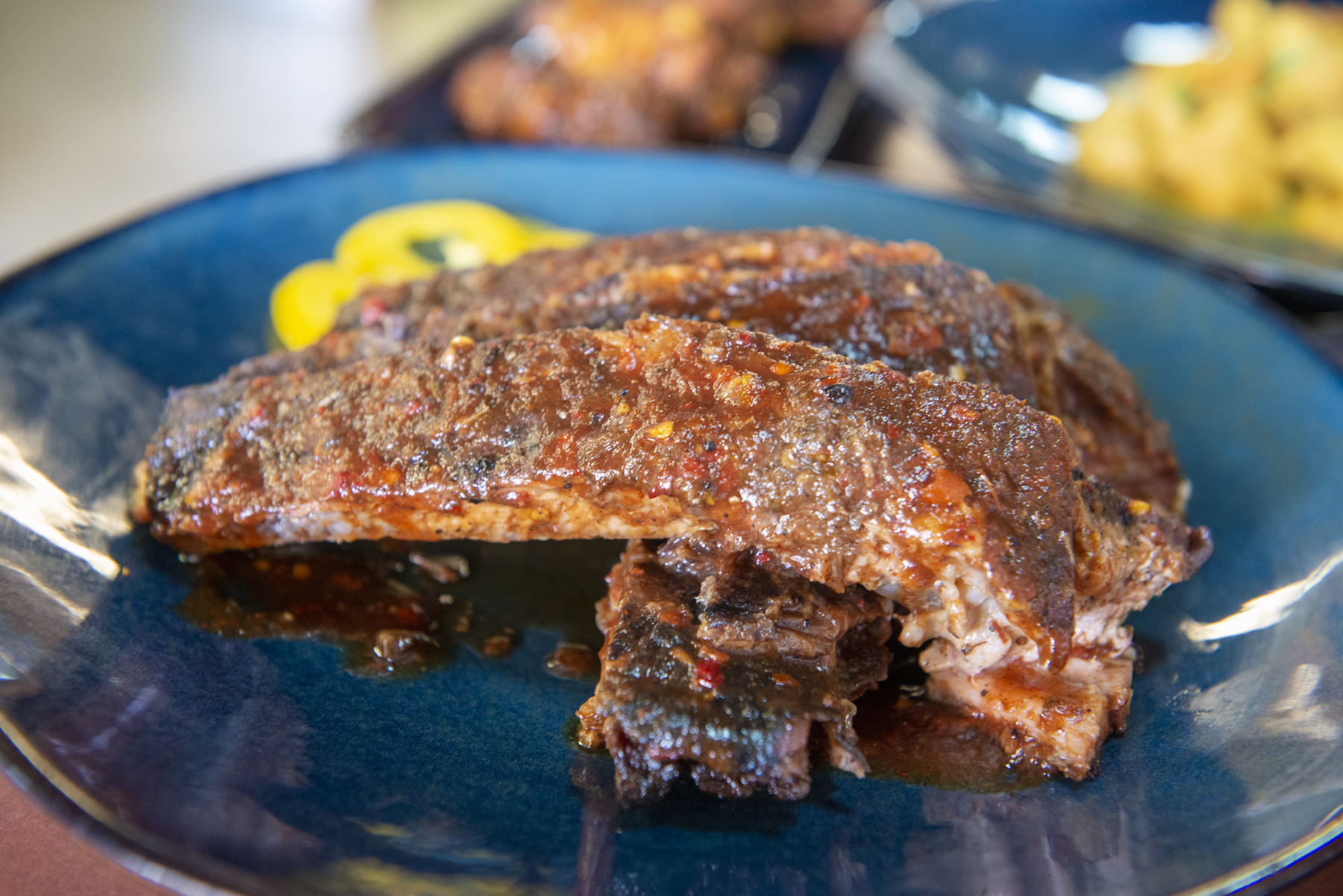
Denver may sit a long way from Kingston, Montego Bay, or Ocho Rios, but distance has never stopped a cuisine with backbone. Jamaican food travels well because it carries more than flavor. It carries memory, technique, and a way of feeding people that is both generous and exacting. When people search for jamaican food denver, they are usually hoping for more than a meal with heat. They want depth, warmth, and the kind of cooking that tastes like it took time because it did.
That expectation matters. Jamaican cuisine is often flattened in casual conversation into a few familiar phrases: jerk, patties, plantains, spicy chicken. Those foods are real, of course, and some are beloved for good reason, but they only tell part of the story. The broader tradition includes slow braises, careful seasoning, starchy sides that soak up gravy, and soups substantial enough to count as a full dinner. It is food built from history, migration, adaptation, and resourcefulness. In a city like Denver, where diners are increasingly curious and increasingly well informed, that full picture deserves attention.
The most interesting part of the local experience is not just finding Jamaican dishes on a menu. It is seeing how those dishes land here, in a high-altitude city with a strong dining culture and a public that tends to appreciate both comfort and boldness. Jamaican food fits Denver surprisingly well. It has smoke for barbecue lovers, chile heat for spice seekers, rich stews for winter, and bright aromatics that still feel right in summer.
What makes Jamaican food distinct
Jamaican cooking has a strong point of view. It does not aim for subtlety in the timid sense of the word, yet the best versions are never blunt. Layers matter. A good cook balances fresh thyme, scallion, garlic, ginger, Scotch bonnet pepper, allspice, onion, black pepper, and sometimes browning sauce or soy-based seasoning into something that tastes complete rather than crowded.
Jerk is the dish most people know first, and it is a useful entry point because it shows how much Jamaican food depends on seasoning as architecture. Traditionally, jerk is not simply “spicy grilled meat.” It is a method and a profile. The combination of heat from Scotch bonnet and warmth from allspice gives it its signature identity. Smoke is just as important. On the island, jerk often comes from pimento wood and a cooking setup that allows the meat to absorb smoke slowly while staying juicy. In Denver, cooks may adapt based on equipment and sourcing, but when the dish is done right, the result still carries that deep, savory, peppery complexity.
Then there are the stewed and braised dishes, which often leave the strongest impression on diners who expect only grilled meats. Oxtail, curry goat, brown stew chicken, and escovitch fish all express different parts of the cuisine. Oxtail should be soft and sticky with a gravy that feels concentrated, not greasy. Curry goat should taste rounded and earthy, with the spice cooked into the meat rather than laid on top of it. Brown stew chicken succeeds when the sauce has sweetness from caramelization and enough savor to make rice and peas essential rather than optional.
Rice and peas deserves its own respect. In Jamaica, the “peas” are often kidney beans or gungo peas, cooked with rice in coconut milk and seasoned with thyme, scallion, and Scotch bonnet. It is not just a side dish that fills out the plate. It is one of the dish’s key flavor carriers. The same is true of fried plantains, festival, and steamed cabbage. Each one plays a role. Sweetness softens heat. Starch catches sauce. Crunch offsets tenderness.
Why Denver has room for this cuisine
Denver’s food culture has matured in a practical, unfussy way. People here tend to reward dishes that feel honest and satisfying. They also tend to embrace cuisines that offer strong flavor without requiring a lot of explanation. Jamaican food fits that profile almost perfectly.
Climate is part of the reason. A city with long winters and sudden weather shifts naturally supports cooking that comforts. Slow braises, rich gravies, and soups like mannish water or red peas soup make immediate sense in cold months. At the same time, Denver diners spend plenty of time outdoors, and that creates demand for food that feels hearty without becoming dull. Jerk chicken, grilled fish, patties, and cabbage slaw answer that need well.
There is also an appetite in Denver for meals that sit somewhere between casual and deeply memorable. Jamaican food excels there. A beef patty eaten on the go can be as satisfying as a plated dinner of curry goat with rice and peas. The cuisine is accessible without being simplistic. That matters in a city where many diners want authenticity but also want something they can fit into a weekday lunch, a family dinner, or a relaxed weekend outing.
The search term jamaican food denver reflects that shift. It is not only tourists looking for a novelty meal. More often, it is residents trying to find something with soul, regulars looking for a specific style of seasoning, or Caribbean diners hoping to reconnect with familiar dishes. The audience is broad, and the best kitchens understand that they need to satisfy both curiosity and memory.
The first thing you notice is aroma
Anyone who has spent time around a Jamaican kitchen knows that smell arrives before explanation. Thyme and scallion soften in heat. Curry blooms in oil. Meat browns. Scotch bonnet lingers in the air without always announcing how hot the finished dish will be. Allspice rounds out the sharper edges. Before the plate lands, the room already knows what kind of meal this is going to be.
That sensory quality gives Jamaican food an advantage in a busy dining city. It is persuasive. You may not know exactly what ackee and saltfish tastes like if you have never had it before, but the savory fragrance coming from the kitchen works in its favor. The same is true of coco bread warmed just enough to turn soft and fragrant, or a patty whose crust releases that unmistakable buttery spice when broken open.
A lot of restaurants in many cities talk about bold flavor. Jamaican cooking generally does not need to talk much. The food does the work. When cooks get the seasoning right, even simple dishes become memorable. Steamed cabbage can taste vivid. Beans and rice can feel complete on their own. A piece of chicken can hold smoke, chile, herbs, sweetness, and savor in one bite without seeming confused.
What to order if you are new to Jamaican food
For first-time diners, the best approach is not to chase the hottest item or the most famous one. It is better to order for range. Try one dish that showcases smoke or grilling, one that shows braising, and at least one side that carries the meal’s structure.
Jerk chicken is often the obvious starting point, and there is nothing wrong with that. It teaches you the language of the cuisine quickly. But if a menu offers oxtail or curry goat, that is where you begin to understand the patience behind Jamaican cooking. Both dishes tell you whether the kitchen knows how to build flavor over time. Tenderness matters. So does sauce. If the gravy tastes flat, the dish was rushed or under-seasoned. If it tastes rich but balanced, you are in good hands.
The sides matter just as much. Rice and peas should not be dry or bland. Cabbage should retain some texture. Plantains should taste ripe and sweet, with caramelized edges rather than a greasy finish. A proper plate is built on these relationships. Heat, fat, sweetness, salt, and starch all need somewhere to go.
For diners ordering with a group, patties are often the smartest first move. They offer a snapshot of the kitchen’s standards. A good patty crust should be flaky but sturdy enough to hold the filling. The filling itself should be seasoned assertively. Beef is common, but chicken and vegetable versions can be excellent as well.
Authenticity is real, but it is not always simple
Few subjects in food writing get mishandled more often than authenticity. With Jamaican food, the term matters, but it needs care. Authenticity is not a costume, and it is not always identical from one household to another. Jamaican cuisine contains regional habits, family methods, and personal adjustments. One cook uses more browning. Another uses more thyme. One family wants their curry goat hotter. Another cares more about the texture of the gravy than the chile level.
In Denver, that complexity matters because imported ingredients, local supply chains, kitchen equipment, and customer expectations can influence the final plate. A restaurant may produce deeply faithful flavors while still making practical adjustments. That does not automatically make the food less real. It does, however, place pressure on the cook to preserve the dish’s identity. Substitutions should serve the food, not dilute it.
Scotch bonnet peppers are a good example. They have a fruitiness and floral intensity that other peppers do not replicate perfectly. If a kitchen swaps them out entirely for convenience, the flavor profile changes. The same is true of allspice, pimento wood smoke, proper curry blends, and certain starches. Diners may not always be able to name what is missing, but they can sense when a dish tastes generic rather than grounded.
The strongest Jamaican kitchens in Denver tend to understand this balance instinctively. They adapt where needed, but they do not smooth away the edges that make the food what it is.
The dishes that define the experience
Jamaican cuisine is broad, but a few dishes consistently shape how people understand it in Denver. Each reveals something slightly different.
Jerk chicken usually introduces the cuisine. It should carry smoke, heat, and a dark, aromatic crust. The meat should remain moist. If the spice burns hotter than the flavor runs deep, the balance is off.
Oxtail often becomes the dish that wins people over permanently. Properly cooked, it is luxurious without being precious. The meat should surrender easily, and the sauce should feel almost glossy from collagen rather than from excess oil. It is not a light dish, but it is immensely satisfying, especially in colder weather.
Curry goat tells you whether the kitchen respects time. Goat needs careful cooking to become tender while holding its own flavor. It should not taste merely like generic curry poured over meat. The seasoning must penetrate.
Ackee and saltfish, Jamaica’s national dish, deserves more attention wherever it appears. Ackee has a soft, delicate texture that many first-timers compare loosely to scrambled eggs, though the flavor is its own thing entirely. Paired with salted cod, onion, tomato, and peppers, it creates a savory breakfast or brunch dish that feels both hearty and nuanced.
Escovitch fish shows another side of the cuisine. Crisp fried fish topped with sharp, pickled vegetables brings acid to the front. It is refreshing, vivid, and especially appealing for diners who want intensity without heaviness.
How spice actually works in Jamaican cooking
One of the most persistent misconceptions about Jamaican food is that it is defined by extreme heat. Heat is important, but it is not the whole story, and good cooks rarely use it carelessly. Scotch bonnet pepper contributes aroma as much as fire. Used well, it sharpens a dish and gives it lift. Used poorly, it overwhelms everything else.
This is worth remembering if you are exploring jamaican food denver for the first time and worry that every dish will be punishingly hot. Many Jamaican dishes are flavorful first, spicy second. Heat levels also vary by kitchen and by day. Some cooks season more assertively. Others tone things down slightly for a broad audience while still preserving the underlying flavor profile.
If you are sensitive to heat, ask questions, but do not assume the cuisine is off-limits. Brown stew chicken, patties, cabbage, rice and peas, and some fish dishes can be quite approachable. If you love heat, ask whether the kitchen offers house-made pepper sauce. A good one adds brightness and intensity without masking the rest of the plate.
Jamaican food works particularly well in Denver’s dining rhythms
Every city develops its own eating habits, and Denver has clear patterns. Fast-casual lunches matter. Weekend takeout matters. Group dining matters. Food that can survive transport without falling apart matters. Jamaican cuisine performs well in all of those settings.
A patty travels easily. Jerk chicken and rice keep their character on the ride home. Braised dishes often taste even better after resting. That practical strength should not be overlooked. Some cuisines lose their appeal quickly outside the dining room. Jamaican food, especially stewed and curried dishes, often remains intact and satisfying.
It also suits varied appetites at the same table. Someone wants grilled chicken, someone else wants a heavy braise, someone else prefers fish, and everyone can share sides. That flexibility makes it a strong option for families or mixed groups where taste preferences differ.
There is another reason it works here. Denver tends to value substance. A meal should feel worth the trip and the money. Jamaican plates often do. Portions are commonly generous, and the food has the kind of flavor concentration that lingers in memory after the plate is gone.
What experienced diners look for
When you eat this cuisine regularly, you start judging it by details that casual diners might miss. The rice tells a story. So does the gravy. The texture of cabbage, the crust on a patty, the amount of smoke in jerk, and the balance between sweetness and heat all reveal how seriously the kitchen takes the food.
A few signs usually separate a strong plate from a forgettable one:
- The seasoning tastes built in, not sprinkled on late.
- The sides support the main dish instead of acting like filler.
- Heat is controlled and purposeful.
- Texture gets as much attention as flavor.
- The plate still tastes specific, not like a generic “Caribbean” blend.
That last point matters. Jamaican food has a distinct identity. It should not read as a vague tropical category. The best versions carry precision. Even people who did https://mylesifbs463.clarionvale.com/posts/jamaican-food-in-denver-best-caribbean-eats-around-town not grow up with the cuisine can recognize when a dish tastes rooted rather than approximated.
The emotional pull of the food
Every serious cuisine carries emotional weight, and Jamaican food does so openly. It is celebratory, yes, but also practical and sustaining. It feeds crowds. It stretches ingredients without feeling frugal in spirit. It turns tough cuts into luxuries through time and technique. It uses seasoning not as decoration, but as a form of attention.
That emotional register comes through even in a Denver dining room far from the Caribbean. You see it when someone tears into a patty and goes quiet after the first bite. You hear it when a table debates who makes the better curry goat, their aunt or the restaurant. You feel it when a takeout container perfumes the car so thoroughly that no one waits to get home before stealing a plantain.
For members of the Jamaican diaspora and the broader Caribbean community, these dishes can offer continuity. For everyone else, they offer access to a cooking tradition with real history behind it. That exchange is one of the best things about eating in a diverse city. Food does not erase distance, but it narrows it.
Finding your way into the scene
If you are exploring Jamaican food in Denver for the first time, patience helps. Try more than one dish. Return to the places that season confidently. Notice whether the menu goes beyond the most marketable staples. A kitchen offering only jerk chicken and little else may still serve a solid meal, but a broader menu often signals deeper commitment.
Go with people who like to share. This cuisine rewards comparison across the table. One person orders oxtail, another gets jerk chicken, another tries escovitch fish, and suddenly the meal starts to show its range. If the restaurant offers soups or rotating specials, ask about them. Daily cooking often reveals more than the permanent menu.
Also, pay attention to repeat customers. Regulars are usually a better signal than trends. In every city, the restaurants that build loyal followings around dishes like curry goat, patties, and rice and peas tend to be doing something right.
More than a trend, more than a craving
Denver does not need to imitate the Caribbean to appreciate Jamaican cooking. It only needs to make room for it honestly. The city’s best encounters with this cuisine happen when the food is allowed to be itself: smoky, slow-cooked, peppery, comforting, sometimes fiery, often deeply soulful.
For diners, the reward is substantial. You get food with range, from portable snacks to deeply restorative plates. You get a cuisine that values both intensity and balance. And you get the chance to understand that a search for jamaican food denver is really a search for something richer than novelty. It is a search for cooking with memory, discipline, and unmistakable character.
That is what keeps people coming back. Not just the spice, though that helps. Not just the portions, though those rarely hurt. It is the feeling that the meal means something, that the flavors were developed with intention, and that every component on the plate has a job to do. In a city with plenty of good food and no shortage of options, that kind of clarity stands out. Jamaican food does not ask for attention politely. It earns it.
Reggae Pot Jamaican Grill
Address: 2243 S Monaco St Pkwy #104, Denver, CO 80222
Phone number: +17204102956
FAQ About Jamaican Food Denver
What is typical Jamaican food?
Typical Jamaican food features bold, vibrant flavors created by blending African, Taino, European, and Asian influences.
What is a famous Jamaican dish?
Ackee and saltfish is Jamaica's national dish, made by sautéing the soft local ackee fruit with salted cod, onions, tomatoes, and spicy Scotch bonnet peppers.
What food is most popular in Jamaica?
The most popular and famous food in Jamaica is Jerk Chicken, celebrated worldwide for its smoky, spicy flavor.