Drunken Noodles with Broccoli, Peppers, and Basil
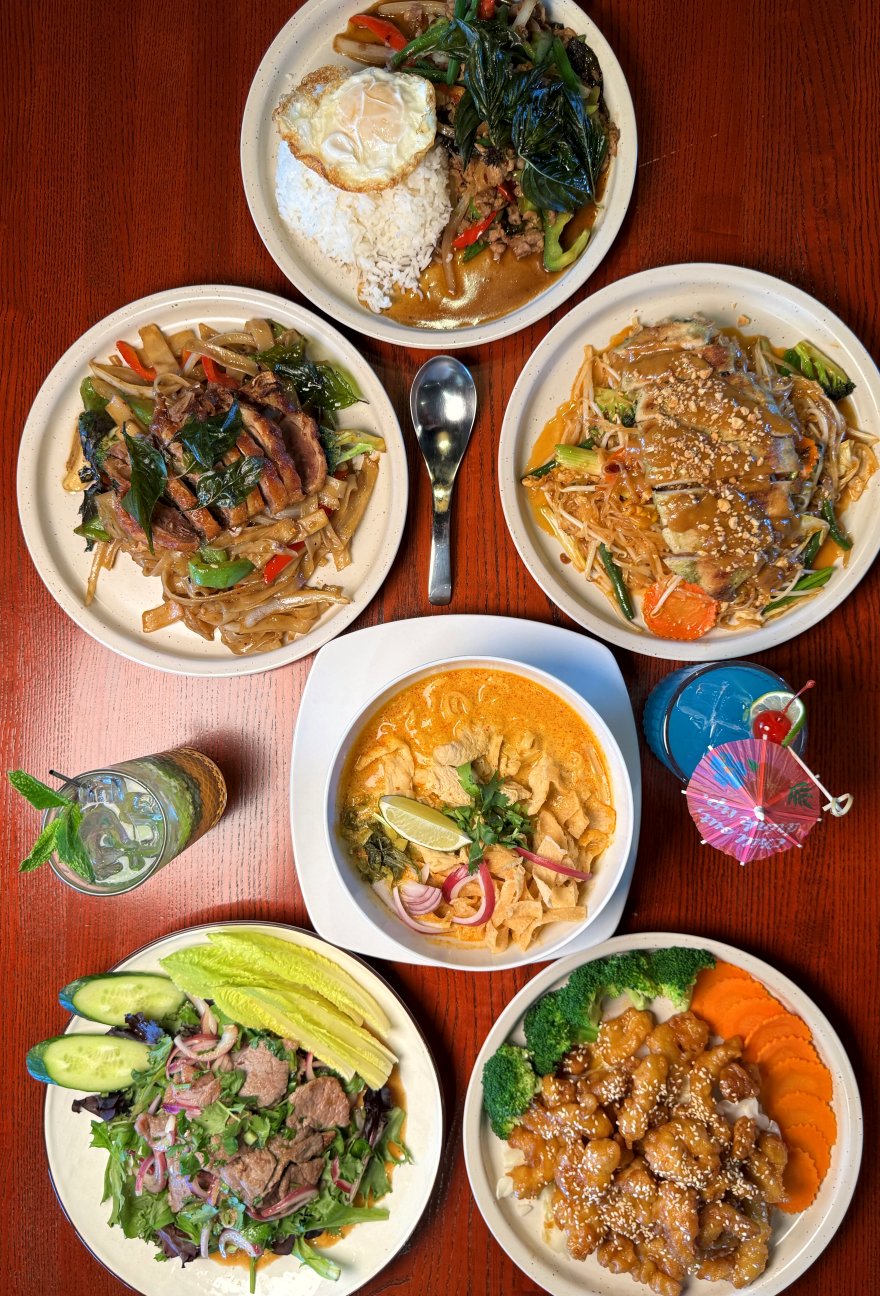
There are weeknight dinners that simply get food on the table, and then there are the ones that wake up the whole kitchen. Drunken Noodles belong firmly in the second camp. The first hit is aroma, garlic and chili meeting hot oil. Then the sauce catches in the pan, sweet at the edges, salty underneath, with that unmistakable depth from soy and oyster sauce. By the time the basil goes in, the entire dish changes character. It stops smelling like a stir-fry and starts smelling like something you will think about again tomorrow.
This version leans heavily on vegetables, especially broccoli and bell peppers, without losing what makes Drunken Noodles so satisfying. The noodles stay chewy and slick. The sauce clings instead of pooling. The vegetables bring contrast rather than bulk. Broccoli adds charred, savory edges and a little bitterness, peppers bring sweetness and color, and basil ties everything together with perfume and lift.
A lot of home versions miss the point by chasing heat alone. Good Drunken Noodles are not just spicy noodles. They are glossy, layered, a little messy in the right way, and balanced enough that you keep going back for another forkful even after the heat lands. This is one of those dishes where timing matters more than complexity. If the pan is hot, the noodles are prepared properly, and the sauce is mixed before you start, the whole thing comes together fast and with very little drama.
What makes Drunken Noodles distinct
The name causes some confusion, and recipes vary from kitchen to kitchen, but the core character is easy to recognize. Drunken Noodles, often associated with Thai pad kee mao, are broad rice noodles stir-fried over high heat with a bold sauce, plenty of garlic, fresh chilies, and basil. They are meant to taste lively rather than delicate. There is usually a rough-edged, almost smoky quality from the pan, and the noodles often pick up some blistering or caramelization if the cook has enough heat to work with.
That texture is important. When the noodles are too soft, the dish feels heavy and flat. When they are undercooked, they resist the sauce and eat dry. The sweet spot is supple, elastic, and just sturdy enough to survive a hard toss in the pan. Fresh wide rice noodles are ideal if you can find them, but dried rice noodles can work beautifully if you soak or cook them carefully and stop before they turn fragile.
Broccoli and peppers are not the most traditional pairing in every version, but they make excellent sense in a home kitchen. Both hold up to the strong sauce. Both add enough body that the meal feels complete without requiring a long list of separate sides. Most importantly, they contribute different kinds of sweetness. Broccoli sweetens as it chars. Peppers sweeten as they soften. Basil arrives at the end to keep all that richness from becoming muddy.
Choosing noodles that behave well in the pan
This dish is won or lost at the noodle stage. If you buy fresh rice noodles, you may need to separate them gently by hand before cooking. Sometimes they are refrigerated in a compact slab and can crack if handled cold. Letting them sit at room temperature for a bit helps. If they still cling together, a few seconds in the microwave or a brief pass over steam usually loosens them without making them mushy.
Dried rice noodles require a little more judgment. Package instructions often aim for soft enough to eat immediately, but stir-frying asks something different. You want noodles that are just tender or https://maps.app.goo.gl/wEbpDYfz5VjY5inF9 even slightly under, because they finish in the sauce. If they are fully cooked before they hit the wok or skillet, they tend to break apart and clump. When that happens, people often add more sauce to compensate, and then the whole dish turns wet and salty.
Wide noodles matter here. Thin rice sticks produce a pleasant meal, but not the right experience. Drunken Noodles should have chew and surface area. A broad noodle folds over itself, traps sauce, and gives you those satisfying, glossy ribbons that define the dish.
Broccoli and peppers need different treatment
One of the easiest mistakes in vegetable-heavy stir-fries is treating every vegetable as if it cooks the same way. Broccoli and bell peppers do not. Broccoli is denser, slower, and benefits from direct contact with the hot pan. Peppers soften quickly and can go limp if they spend too long over heat.
I like to cut broccoli into small florets with enough flat surface to char. If the stems are fresh and crisp, peel the tough outer layer and slice the interior thinly. The stems are sweet and cook quickly once trimmed properly. In a very hot pan, broccoli can go from raw to vivid green to beautifully spotted in a couple of minutes, especially if it is cut small. A splash of water during cooking can help steam the center if the florets are thick, but use restraint. Too much liquid cools the pan and works against the stir-fry effect.
Bell peppers should be sliced neither too thin nor too thick. Thin strips disappear into softness. Thick chunks stay awkwardly raw. I aim for pieces that are substantial enough to keep some bite after a short toss in the pan. Red peppers are a natural fit because they echo the sweetness in the sauce, but yellow or orange are excellent too. Green peppers bring a sharper, more assertive note. That can be a good thing if you want the dish to skew more savory than sweet.
The sauce should be mixed before the pan gets hot
Stir-frying punishes hesitation. Once the garlic hits the oil, everything moves fast. That is why the sauce belongs in a bowl before you turn on the stove. I usually build it around soy sauce for salinity, oyster sauce for body and sweetness, a little fish sauce if I want extra depth, and a modest amount of sugar to round out the edges. Some cooks use dark soy for color. It is useful in small amounts, especially if your regular soy is lighter in body, but too much can make the dish taste flat and overly molasses-like.
The sauce for Drunken Noodles should be concentrated. Vegetables release moisture, noodles may carry a little water, and basil itself wilts down into the mix. If you make the sauce too loose at the start, it can turn soupy in the pan. A tighter sauce reduces quickly and coats better.
Heat deserves a practical note. Fresh chilies give the cleanest flavor and the brightest punch. Thai chilies are classic if you can get them, but serranos work well. Dried chili flakes are not a perfect substitute, though they can still produce a very good dinner. If you are cooking for people with mixed tolerance, it is smarter to keep the baseline heat moderate and offer extra sliced chilies or chili vinegar at the table than to overwhelm the whole pan.
A useful mise en place
The most efficient way to cook this dish is to prepare everything in advance and keep it within arm’s reach. The sequence is short and the heat is high.
- Wide rice noodles, loosened and ready to cook
- Broccoli and peppers cut and separated
- Garlic, chilies, and basil prepped
- Sauce mixed in a small bowl
- Protein, if using, sliced and seasoned lightly
That level of preparation may sound fussy for a fast dinner, but it saves the dish. The gap between beautifully charred vegetables and overcooked vegetables can be less than a minute.
Building flavor in the pan
A wok is excellent if you own one and have the burner power to support it. A large skillet, ideally not crowded, also works. What matters most is surface area and heat retention. If the pan is too small for the quantity, the ingredients steam and the noodles turn sticky.
Start with oil and aromatics. Garlic should sizzle immediately but not darken before the chilies go in. If you are using protein, it usually goes in next so it has room to sear. Chicken thighs are particularly good here because they stay juicy and carry the sauce well. Thinly sliced beef can be delicious but needs quick handling. Shrimp cooks so fast that it is easy to overdo, so I add it only when everything else is moving smoothly. Tofu is entirely viable, though it benefits from browning separately first if you want texture.
Broccoli usually needs the first pass among the vegetables. Give it direct heat and a little patience. You are looking for bright green with browned edges, not soft florets with no character. Peppers follow once the broccoli has a head start. At that point, the noodles can go in, and this is where confidence helps. They may look clumsy for a moment. Keep tossing. Add the sauce around the sides of the pan rather than directly over the noodles if possible. That helps it hit the heat, reduce, and spread rather than soaking one spot.
Basil belongs near the end. If added too early, it disappears into the background. Added at the last moment, it perfumes the whole dish and gives each bite that unmistakable herbal top note. Thai basil is best if available because it is sturdier and more peppery than Italian basil, but ordinary basil is still far better than skipping it.
The texture you are chasing
The best plate of Drunken Noodles looks slightly chaotic. A few noodle edges may be browned. Some broccoli tips are charred. The peppers still hold shape. The sauce clings in a shiny coat rather than collecting at the bottom of the bowl. Every component should feel seasoned, but the dish as a whole should not taste aggressively salty.
One reliable test is to pause before serving and pick up a single noodle with tongs. If it hangs limp and tears, it went too far. If it looks stiff and dry, it needs another splash of sauce or a few seconds more in the pan. If it bends easily and glistens without shedding liquid, you are in the right zone.
This is also why leftovers can be tricky. Rice noodles continue to absorb moisture as they sit, so the dish is at its peak straight from the pan. If you know you are cooking for leftovers, keep the noodles slightly firmer than you otherwise would. Reheat in a skillet rather than a microwave if possible, with a spoonful of water added to wake up the sauce.
Common mistakes that flatten the dish
A few recurring errors show up in home kitchens, and fixing them makes an immediate difference.
- Overcooking the noodles before stir-frying
- Crowding the pan so the vegetables steam
- Using too much sauce and turning the dish soupy
- Adding basil too early
- Cooking over timid heat
Most of these come back to one issue, momentum. Stir-frying rewards decisiveness. It is not hard, but it does not like second-guessing.
How broccoli improves the balance
Broccoli is not just there for nutrition or color. In a dish this rich, it plays a structural role. Drunken Noodles can be intensely savory and a little sweet. Without a vegetable that brings some bitterness and char, the sauce can taste one-dimensional. Broccoli solves that problem elegantly. The florets catch little pockets of sauce while the browned edges contribute a roasted note that makes the whole plate feel more complete.
There is also a textural argument for broccoli. Rice noodles and softened peppers are both yielding. Broccoli gives you resistance. That contrast keeps the bowl from feeling slippery from top to bottom. Restaurants often rely on extreme burner heat for complexity. Home cooks can borrow some of that effect simply by letting broccoli develop color.
Pepper choices and what they change
Red bell peppers are my default because they look good, taste sweet, and harmonize with the sauce. Yellow peppers are similar but slightly softer in flavor. Orange sits between the two. Green peppers change the dish more than people expect. Their grassy edge can sharpen the profile and reduce the sense of sweetness, which is useful if your oyster sauce runs sugary or if your basil is milder than usual.
You can also combine colors, but there is a practical limit. Too many varieties of pepper or extra vegetables can dilute the identity of the dish. Drunken Noodles should still feel like noodles first. If the bowl starts looking like a general vegetable stir-fry with rice noodles mixed in, the balance has gone off course.
Protein is optional, not mandatory
A common assumption is that a noodle dish needs a major protein to count as dinner. It does not. With enough broccoli and peppers, plus the heft of the noodles, this is already substantial. If you want to add protein, choose one that fits the speed and heat of the method.
Chicken thigh is forgiving and probably the best all-around option. Thin slices cook quickly and stay tender. Shrimp is excellent for a lighter result, especially if you want the basil and chili to take the lead. Tofu is good when pressed and pan-browned first, otherwise it risks shedding water into the sauce. Pork, especially thinly sliced loin or ground pork, can also work nicely.
If I am serving this to a mixed group, I often skip meat entirely and put out a crisp cucumber salad or simply a plate of lime wedges. The noodles themselves are the main event.
Small adjustments that make it your own
This dish is flexible in the ways that matter. If your basil is especially pungent, use more. If your chilies are unusually hot, split them and remove some seeds. If your soy sauce is very assertive, pull back slightly and let the oyster sauce carry more of the weight. There is no virtue in rigidly following proportions when the ingredients themselves vary so much from brand to brand and market to market.
Acidity is one adjustment that can rescue an almost-right pan. Drunken Noodles are not supposed to be sharply sour, but a squeeze of lime at the end can lift a sauce that feels too dense. The same goes for a tiny splash of rice vinegar, though I prefer lime because it brightens without making the profile taste generic.
Sweetness is another lever. Some oyster sauces are much sweeter than others. If the finished dish tastes a little candied, the fix is not more sugar, obviously, but often more heat, more basil, or a touch of fish sauce. The goal is a rounded sauce, not a sweet one.
Serving it well
Serve Drunken Noodles hot, ideally within a minute or two of leaving the pan. This is not a dish that likes to linger while the table is being set. Wide shallow bowls are better than deep ones because they let steam escape and keep the noodles from compacting into a gummy mass.
If you want a side, keep it simple and cool. Sliced cucumbers with a little rice vinegar and salt work nicely. So does a plate of raw herbs and lime wedges. A beer is a classic pairing for obvious reasons, but iced tea with plenty of lemon works just as well if you want something nonalcoholic that can stand up to chili and garlic.
Why this version keeps earning a place in the rotation
Some recipes impress once and then start to feel like projects. This one does the opposite. The more often you make it, the more intuitive it becomes. You start to recognize exactly when the broccoli has enough color, when the noodles need another thirty seconds, when the basil should hit the pan. Those small pieces of judgment are what turn a decent stir-fry into a memorable plate of Drunken Noodles.
Broccoli, peppers, and basil are not just fillers around the noodles. They create a conversation of textures and flavors that keeps the dish vivid from the first bite to the last. The broccoli grounds it. The peppers soften the sharp edges. The basil keeps it from sinking under its own richness. And the noodles, if treated properly, carry all of it without disappearing.
That is the appeal of this dish at home. It feels generous and bold, but it does not require restaurant equipment or a specialty pantry the size of a cupboard. A hot pan, broad noodles, fresh basil, and a little restraint with timing are enough. When those pieces line up, dinner arrives with heat, perfume, and just enough char to make the whole thing feel alive.
Nakhon Luang Thai Kitchen
Address: 805 Village Center Dr, Colorado Springs, CO 80919
Phone number: +17195315175
FAQ About Drunken Noodles
What makes it drunken noodles?
Drunken noodles, or Pad Kee Mao, get their name from the Thai word khi mao (meaning "drunkard"). They contain no alcohol. The name comes from the idea that the dish is a popular late-night meal to cure a hangover or a great food to eat with a cold beer.
What is the difference between pad see ew and drunken noodles?
While both Pad See Ew and Drunken Noodles use the same wide rice noodles, Pad See Ew is a mild, sweet-savory dish made with dark soy sauce and Chinese broccoli, whereas Drunken Noodles (Pad Kee Mao) are fiery, garlicky, and herbaceous with fresh chilies and Thai basil.
What are traditional drunken noodles?
Traditional drunken noodles, known as Pad Kee Mao in Thai, are a fiery, savory street food stir-fry made with wide flat rice noodles, fresh garlic, lots of hot chilies, meat or tofu, and fragrant holy basil. Despite the name, they contain no alcohol; the dish is traditionally eaten late at night or as a hangover cure because the intense spice helps clear the head.