Jamaican Food in Denver: Exploring Caribbean Comfort Food
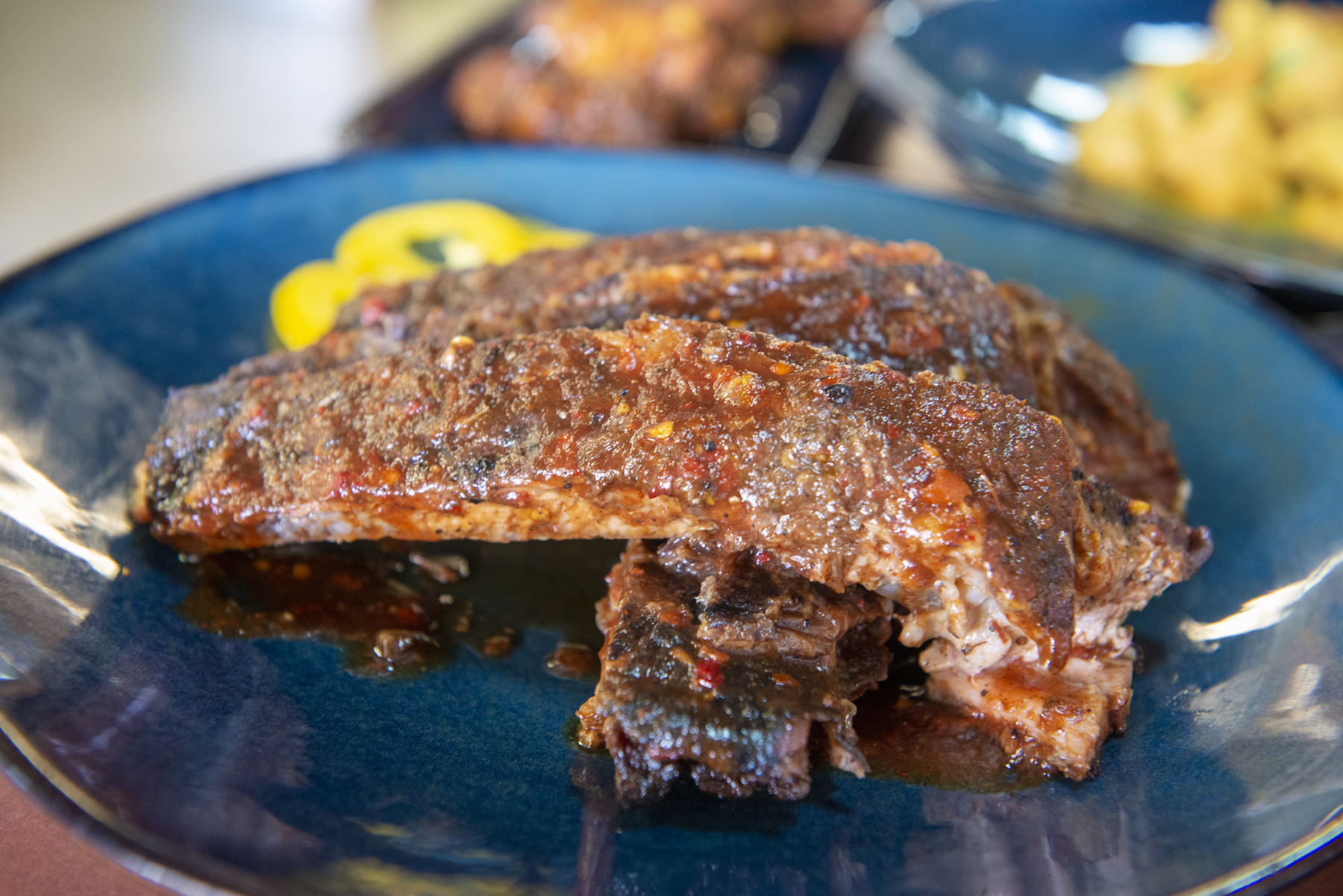
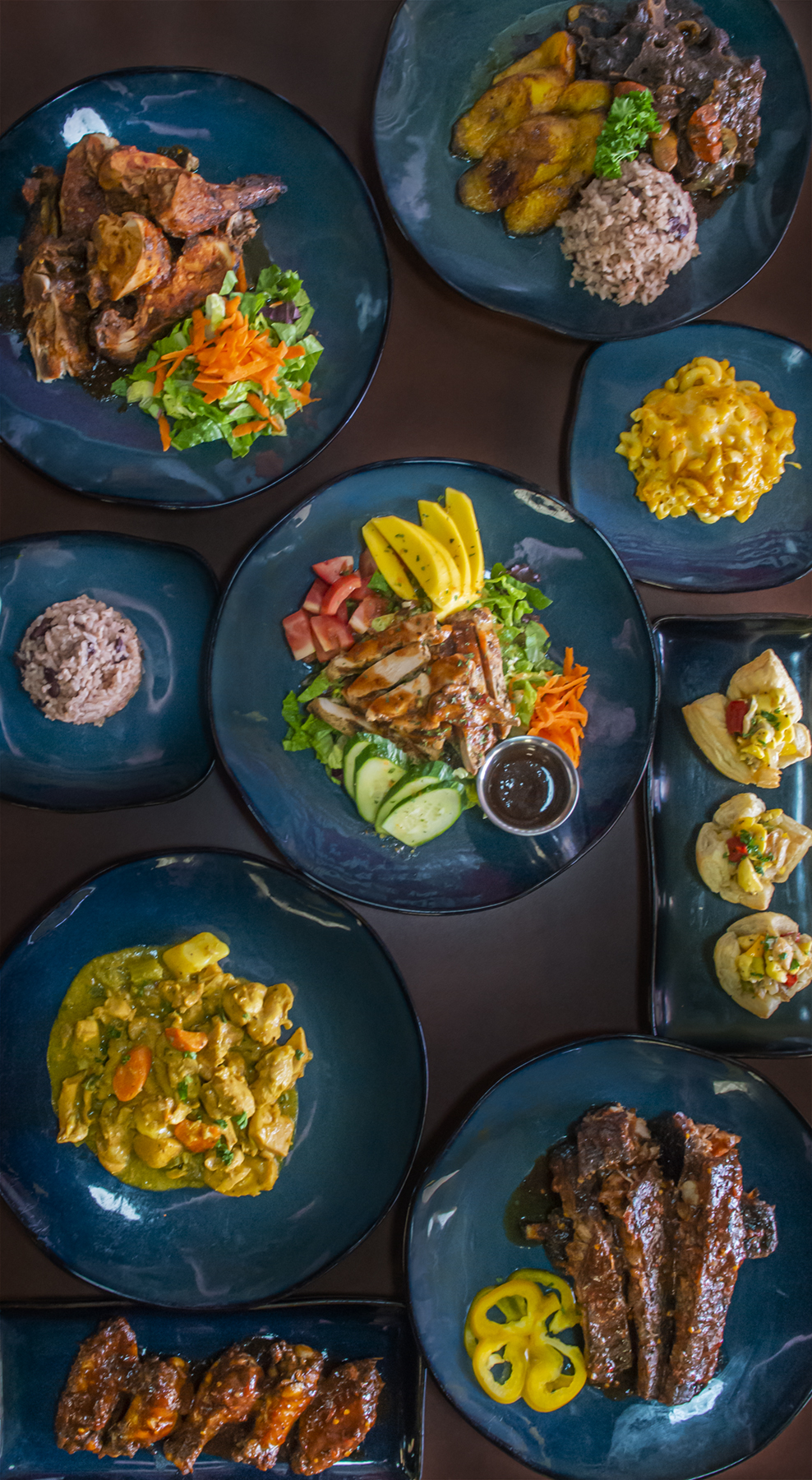
Denver has never been a one-note food city. For years, the conversation focused on green chile, steakhouse culture, beer, and the steady rise of chef-driven neighborhood spots. That picture is still true, but it is incomplete. The city eats far more broadly now, and one of the most satisfying corners of that wider landscape is Caribbean cooking, especially Jamaican food. For diners searching for jamaican food denver options, the draw is not novelty. It is depth, warmth, spice, and the kind of food that feels built to comfort you from the inside out.
That matters in a place like Denver. A long winter, fast weather swings, and a dining culture that still appreciates hearty plates create the right conditions for food that leans soulful rather than delicate. Jamaican cooking brings exactly that. It gives you slow-cooked meats, rice that carries flavor instead of merely sitting under it, sauces with heat and sweetness in the same spoonful, and sides that taste like they were made by someone who understands that starch and vegetables deserve as much attention as the main dish.
People often arrive at Jamaican food through jerk chicken because that is the most recognizable name on the menu. If they stay curious, they discover a cuisine with much more range. Good Jamaican cooking is not just spicy. It is seasoned with control. It relies on layers: allspice, thyme, scallion, Scotch bonnet, ginger, garlic, browning sauce, coconut milk, onion, pimento, and patient cooking. When those elements https://blogfreely.net/herianqpds/best-jamaican-food-in-denver-for-authentic-family-recipes come together, the result is generous food with real personality.
Why Jamaican food lands so well in Denver
Denver diners generally reward food that feels honest. That does not mean rustic in a careless way. It means food that tastes rooted in tradition, even if the setting is modern or casual. Jamaican food fits that instinct naturally. A proper plate of oxtail with rice and peas and cabbage does not need much explanation. Neither does curry goat or braised chicken with gravy soaking into rice. These are direct pleasures, but they are not simple-minded.
There is also a practical side to the appeal. Jamaican meals travel well, which matters in a city where takeout and delivery remain a major part of how people eat. Stewed and braised dishes often improve after a short rest. Rice holds heat. Plantains keep their sweetness. Patties stay portable. Even a jerk plate, when packed correctly, can arrive in good form. That makes Jamaican food especially well suited to weeknight dining, office lunches, and cold evenings when nobody wants to leave home.
The other reason it works here is that Denver has become more adventurous without becoming performative about it. People want flavor first. They may ask for local ingredients or care about sourcing, but if the dish does not deliver comfort and character, those values only go so far. Jamaican food clears that bar when it is done right.
The dishes that define the experience
If you are new to the cuisine, it helps to understand what you are actually ordering. Menus can vary from kitchen to kitchen, and every cook has a slightly different hand, but a few anchors appear again and again.
Jerk chicken is the obvious starting point, though many people misunderstand it. Jerk is not just “hot grilled chicken.” At its best, it is a method and a flavor profile. The seasoning typically brings together Scotch bonnet heat, allspice, thyme, scallion, ginger, garlic, and other aromatics. The finished chicken should taste smoky, savory, and aromatic, with heat that builds rather than simply punches. If the only thing you notice is spice, the balance is off. Good jerk has depth before it has burn.
Oxtail is often the dish that wins over serious comfort-food eaters. It is rich, sticky, and deeply savory, with meat that gives way after a long braise. The sauce matters as much as the meat. You want body and concentration, not grease. When the gravy is well made, it seeps into the rice and transforms the whole plate. In many Jamaican kitchens, this is the dish regulars watch for, because when it is sold out, it is sold out.
Curry goat brings a different kind of satisfaction. Jamaican curry is not identical to Indian curry, even though there is a shared history behind the use of curry spice in the Caribbean. In Jamaican cooking, the profile often leans earthy, warm, and fragrant, with enough spice to wake up the palate without flattening the natural flavor of the meat. Goat, when cooked properly, is tender and clean tasting. Overcooked, it turns dry and stringy. Undercooked, it can feel tough. The difference between those outcomes is patience.
Brown stew chicken can be overlooked by first-time diners, which is a mistake. It is one of the clearest tests of whether a kitchen knows how to season. The dish depends on a well-balanced braise and a sauce that tastes full, slightly sweet, savory, and rounded. It is not flashy, but in experienced hands it can be one of the best things on the menu.
Then there are patties, which deserve more respect than they sometimes get. A Jamaican patty should be flaky, well-filled, and strongly seasoned. Beef is common, but chicken, vegetable, and sometimes more specialized fillings appear as well. Patties are excellent for a quick lunch, but they are also revealing. A good patty tells you a lot about the kitchen’s standards. If the pastry is limp or the filling tastes generic, that usually signals broader inconsistency.
The sides are not side characters
One of the pleasures of Jamaican food is that the plate rarely relies on a single star. Sides are central to the meal’s balance. Rice and peas, often made with coconut milk, kidney beans, thyme, and scallion, should be fragrant and distinct, not wet and collapsed. The rice is there to carry sauce, but it should still have its own identity.
Plantains bring sweetness and a soft texture that can offset heat and spice. The best ones are caramelized at the edges and creamy in the middle. If they are pale or under-ripe, they lose the lush quality that makes them such a natural partner to savory dishes.
Cabbage is another staple, often lightly sautéed with carrots and seasoning. When it is done well, it adds freshness and relief to an otherwise rich plate. Macaroni and cheese may appear too, depending on the kitchen. So may festival, a slightly sweet fried dough that works especially well with jerk meats. None of this is filler. On a strong Jamaican plate, each component has a job.
That is one reason people looking for jamaican food denver experiences often become loyal customers once they find a place they trust. A good meal feels complete. You do not leave thinking about what the dish lacked. You leave thinking about how everything on the plate made sense together.
What separates a good Jamaican kitchen from a forgettable one
The basics are not hard to describe, but they are not easy to execute. First, seasoning has to penetrate. This sounds obvious, yet it is where many restaurants, not just Jamaican ones, fall short. Surface flavor is not enough. Chicken, goat, or beef should taste seasoned all the way through. Marinades need time, and braises need confidence.
Second, the kitchen has to know how to manage heat. Scotch bonnet peppers are powerful, but power is not the point. The best Jamaican food uses heat as part of a larger structure. You should taste herbs, smoke, sweetness, acid, and savoriness as clearly as the chile. If a diner spends the whole meal reaching for water, that may make for a dramatic first bite, but it rarely makes for a memorable plate.
Third, texture matters more than many people realize. Jerk chicken should not be dry. Oxtail should not feel loose and watery. Rice should not clump. Plantains should not taste tired from sitting too long. Patties should have contrast between crisp pastry and moist filling. These details are where expertise shows up.
Finally, consistency matters. Jamaican food asks for long cooking and careful prep, which means some restaurants are excellent on one day and uneven on another if volume spikes or staffing gets tight. Regular diners tend to learn the rhythms of a place. They know when the kitchen is strongest, which dishes run out early, and what is best fresh versus what travels best.
How to order if you want the fullest picture
If you are approaching a Jamaican menu for the first time, resist the urge to order only the most familiar item. There is nothing wrong with jerk chicken, but it gives you only part of the cuisine.
A better approach is to mix one grilled or roasted item with one braised or stewed item if you are dining with another person. Share sides. Add a patty if the kitchen is known for them. That lets you taste the broader range of technique, from char and smoke to gravy and slow-cooked richness. It also helps you understand how Jamaican cooking handles contrast. Heat needs sweetness. Richness needs a fresh note. A dry rub or marinade tells a different story than a braise.
Portion size is worth mentioning. Many Caribbean spots serve generously, and Jamaican plates can be substantial. That is part of the value, but it also affects how you order. If you add too many starch-heavy sides, the meal can become one-dimensional by the last few bites. Better to choose with balance in mind.
When spice level is adjustable, ask how the kitchen defines “medium” or “hot.” Standards vary. Some restaurants are calibrated for a broad audience and serve gentle heat unless you request more. Others cook close to the bone of the cuisine and assume you can handle a real chile presence. A quick question can save disappointment in either direction.
The local context matters
Talking about jamaican food denver means talking about adaptation as well as authenticity. Any immigrant or diaspora cuisine changes a bit in a new city. Ingredients differ. Customer expectations differ. Labor, rent, and supply chains all push restaurants toward certain decisions. Some kitchens will soften the spice to suit a broader crowd. Some may focus on the dishes that sell most predictably. Others will hold close to the cooking they know and let the audience catch up.
That is not always a bad thing. Adaptation is part of restaurant life. The real question is whether the food still tastes like it belongs to a living tradition rather than a vague approximation of one. You can usually tell. Does the menu feel coherent? Are the signatures there for a reason, or because they are the only Jamaican dish the market recognizes? Are the sides treated seriously? Is the seasoning vivid? Is the braising liquid worth pouring over everything on the plate? These clues reveal far more than décor or branding.
Denver’s dining scene also rewards restaurants that can bridge cultures without flattening them. A Jamaican kitchen may serve longtime Caribbean customers, curious local regulars, and first-time visitors in the same lunch hour. The strongest places manage that beautifully. They do not water down the food into generic “island” flavors, but they also do not make the meal feel inaccessible. They trust the food to do the work.
Drinks, desserts, and the parts people skip
Food tends to dominate the conversation, but drinks and desserts can complete the experience. Sorrel, especially around the holidays, offers tartness and spice that pair naturally with rich meats. Ginger beer can cut through heavy plates, provided it has a real ginger bite rather than a soda-like sweetness. Some spots also serve fruit juices or punch that tilt more tropical and creamy.
Dessert is often where diners tap out because the mains are so filling, but there is pleasure to be found there too. Rum cake, sweet potato pudding, and similar offerings can carry the same sense of warmth and spice that defines the savory cooking. They are not always available, and not every restaurant has a dedicated pastry program, but when a house-made dessert is on offer, it is worth considering, especially if you are sharing.
This is one of those places where experience matters. I have seen diners order a huge combination plate, polish off most of it because the food is too good to stop, and then wonder why dessert sounds impossible. A lighter strategy is smarter if you want to explore. Jamaican food rewards pacing.
What first-timers often get wrong
The most common mistake is expecting every dish to behave like jerk. It is the famous one, but it is not the template for the whole cuisine. Some dishes are mellow, some are rich, some are bright with herbs, and some are built around sweetness as much as heat.
Another mistake is judging the meal too quickly. Braised dishes can look humble in the takeout container. A curry may not announce itself visually the way a composed restaurant entrée would. Then you take a bite and realize the flavor has been worked carefully over hours. Jamaican food often asks you to value aroma, depth, and satisfaction over presentation tricks.
People also underestimate how much of the meal’s pleasure comes from combining elements on the fork. A bite of oxtail alone might feel intensely rich. Add rice and peas and a little cabbage, and the balance comes into focus. The plate is designed to be eaten together.
Finding your personal standard
There is no single correct order, and there is no single dish that defines whether a restaurant is good. Still, most experienced diners develop a personal standard. For some it is jerk chicken, because it reveals whether the kitchen can handle smoke, spice, and moisture at once. For others it is curry goat, which shows patience and proper trimming. For many, it is oxtail, because that dish leaves nowhere to hide. If the braise is underpowered, if the sauce is greasy, if the meat is not tender enough, you know immediately.
My own advice is to judge a Jamaican restaurant on three things at once: the integrity of the seasoning, the quality of the starches and vegetables, and whether the food still tastes coherent after ten or fifteen minutes. Great Jamaican food often has stamina. It stays compelling as it cools slightly. The spices open up. The gravy settles into the rice. The edges blur in a good way. That is the sign of a kitchen cooking for flavor rather than effect.
Why this cuisine keeps earning repeat visits
Comfort food is sometimes dismissed as predictable, but the best comfort food is anything but dull. It delivers reassurance without boredom. Jamaican cooking does that beautifully. A diner can come back for the same plate repeatedly because the craving is specific. It is not just “chicken and rice.” It is jerk spice with smoke in the skin, sweet plantains against chile heat, coconut-scented rice holding onto gravy, cabbage bringing a needed breath of freshness.
In Denver, that kind of meal fills a real need. It works after a long workday, on a cold weekend, during a family lunch, or packed up for later. It also invites exploration. Once someone starts with jerk chicken, there is usually a next step, maybe curry goat, maybe a patty, maybe oxtail when available. That progression is part of the pleasure.
For anyone searching for jamaican food denver options, the most useful advice is simple: look for kitchens that cook with confidence, not just heat. Order beyond the obvious. Pay attention to the sides. Respect the stews. And when you find a place where the seasoning runs deep and the whole plate makes sense, go back. Jamaican food has a way of turning a one-time curiosity into a standing craving, which is exactly what great comfort food is supposed to do.
Reggae Pot Jamaican Grill
Address: 2243 S Monaco St Pkwy #104, Denver, CO 80222
Phone number: +17204102956
FAQ About Jamaican Food Denver
What is typical Jamaican food?
Typical Jamaican food features bold, vibrant flavors created by blending African, Taino, European, and Asian influences.
What is a famous Jamaican dish?
Ackee and saltfish is Jamaica's national dish, made by sautéing the soft local ackee fruit with salted cod, onions, tomatoes, and spicy Scotch bonnet peppers.
What food is most popular in Jamaica?
The most popular and famous food in Jamaica is Jerk Chicken, celebrated worldwide for its smoky, spicy flavor.