Jamaican Food in Denver: Top Restaurants and Signature Dishes
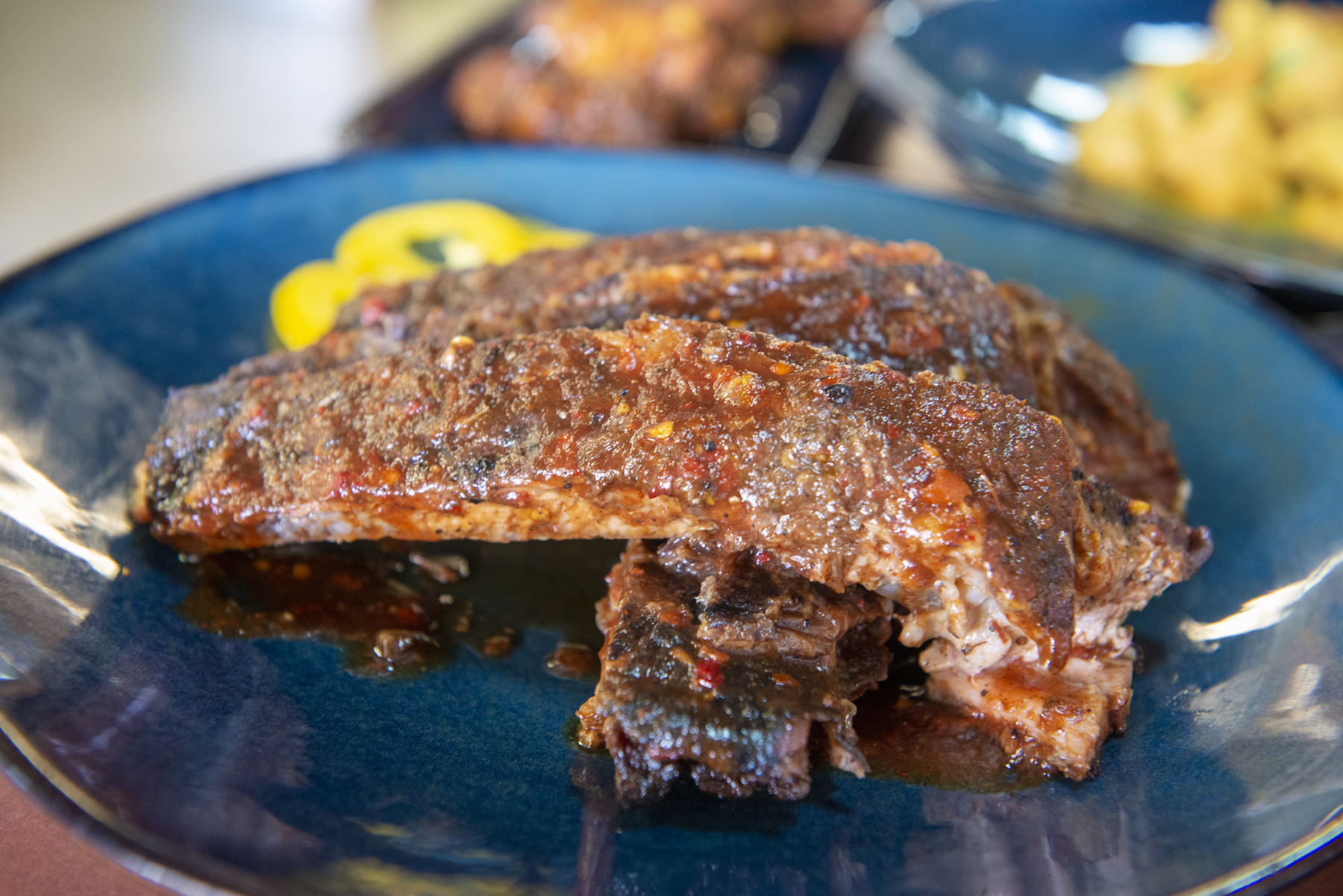
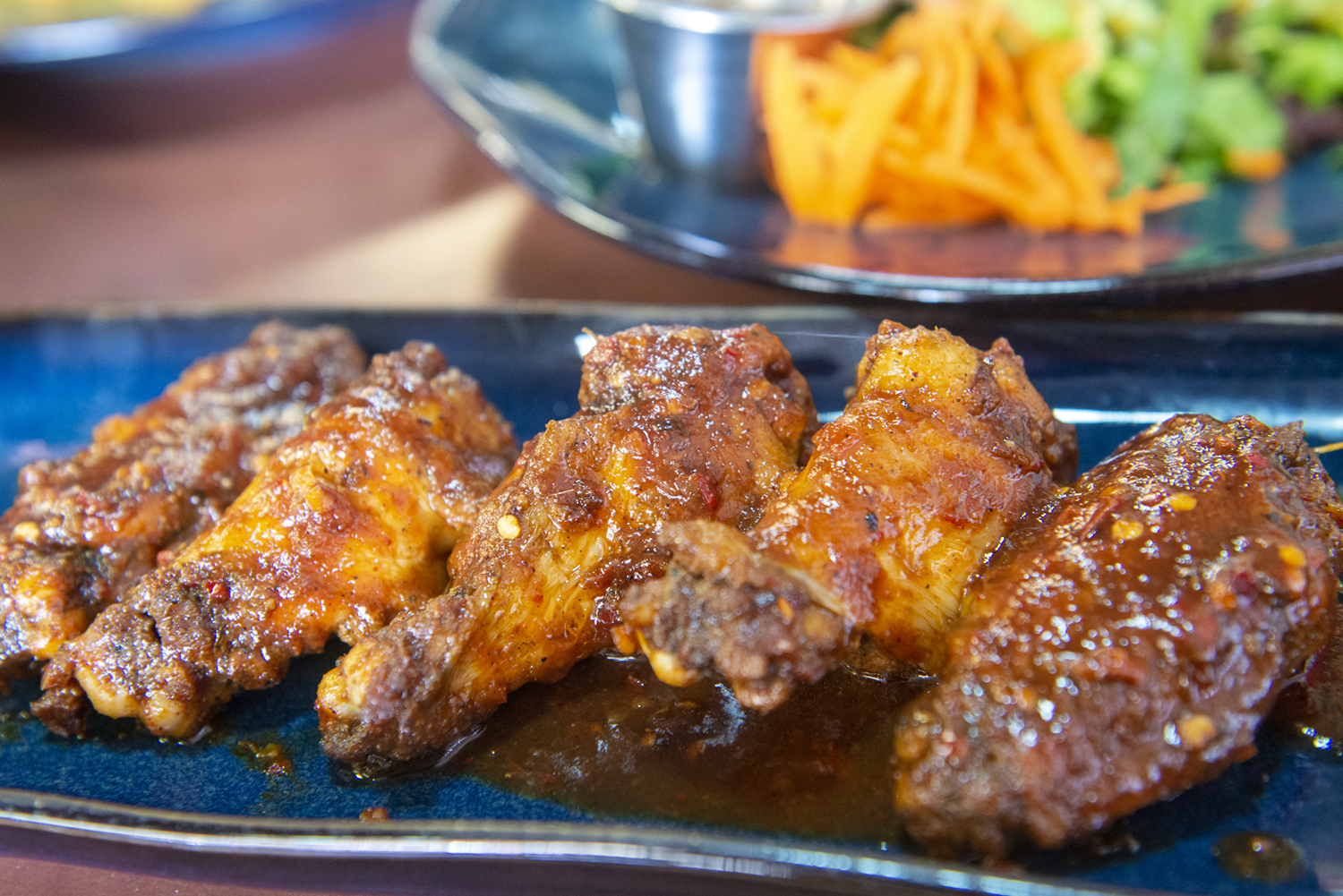
Denver is not the first American city people associate with Jamaican cooking. That usually works in the diner's favor. In places where the scene is smaller, the restaurants that last tend to earn their following the hard way, through consistency, word of mouth, and food that still tastes like someone cared about it long before service started. That is very much the story with Jamaican food in Denver.
The local Caribbean landscape is not huge, and it does not behave like a polished dining district with ten options on one block. It is more scattered than that. Some of the best plates come from small storefronts, family-run kitchens, and businesses that split their energy between dine-in traffic, takeout, catering, and community events. Hours can be uneven. Menus can sell out. A place may look modest from the outside and still turn out a deeply seasoned oxtail that took all day to make. Anyone looking for Jamaican food Denver diners actually return to should expect that kind of trade-off.
What Denver does have is a set of restaurants and cooks who understand the core of the cuisine: balance. Heat, smoke, sweetness, allspice, thyme, scallion, and Scotch bonnet should work together. Rice and peas should not be treated like filler. Plantains should bring contrast, not just color. The proteins, whether jerk chicken, curry goat, or brown stew chicken, should taste marinated and lived-in, not rushed.
Because this is a scene that changes more quickly than larger food markets, it also helps to approach it with the right expectations. A strong Jamaican meal in Denver is often less about trendy plating and more about whether the chicken was grilled properly, whether the gravy has depth, and whether the cabbage still has some life to it. Those details matter.
What makes a Jamaican restaurant worth your time in Denver
The first thing I look for is the aroma when I walk in. You can tell a lot from the smell of pimento, char, stock, onions, and warm spice. A restaurant can have a short menu and still be excellent if that menu is handled with care. On the other hand, a long menu with generic execution usually means the dishes blur together.
The second thing is whether the kitchen respects texture. Jerk chicken should not be flabby. Curry goat should be tender but not falling into mush. Fried plantains should have caramelized edges. Patties should have pastry that flakes, not shellacks. Texture is where a lot of otherwise decent Caribbean cooking loses points.
The third thing is side dishes. In a lesser restaurant, sides feel like obligations. In a strong one, rice and peas have their own identity, cabbage is actually seasoned, and mac and cheese, if offered, is there because the house can make it well, not because every takeout counter in America feels required to serve it.
That matters in Denver especially, because Jamaican restaurants here often compete for a broad audience. Some kitchens inevitably soften the edges a little. Heat levels may come down. Portions may get larger to match local expectations. That is not automatically a problem. Adaptation is part of restaurant survival. The question is whether the food still feels rooted. The best places manage both. They meet Denver where it is while preserving the backbone of the cuisine.
The restaurants people keep circling back to
Restaurant lineups shift, hours can change, and some Caribbean businesses lean heavily on catering, so it is smart to verify current service before you make the drive. Still, a few names come up repeatedly in conversations about Jamaican food around Denver.
- Reggae Pot Jamaican Grill is one of the better-known names in the metro area and a common reference point for diners looking for jerk chicken, curry dishes, and the kind of combination plates that let you sample the essentials in one visit.
- Genna Rae’s often enters the conversation from a broader soul food angle, but many diners seek it out for Caribbean-leaning flavors and rich, comforting plates that scratch a similar itch when you want spice, gravy, and a serious meal.
- Jamaican Grill and smaller neighborhood Caribbean counters can be more variable, but that is also where some of the most satisfying meals happen, especially when the menu is tight and the specials are clearly coming from the kitchen’s strengths.
- Food trucks, pop-ups, and caterers deserve real attention in Denver’s Jamaican scene. In a city where brick-and-mortar overhead is tough, some excellent cooks do their best work outside a traditional dining room.
- Markets with hot food counters occasionally surprise people. If a Caribbean grocery or specialty shop is selling prepared plates on weekends, it is worth asking what is fresh that day.
That last category is easy to overlook, and it should not be. Some of the most memorable Caribbean meals I have had in smaller food cities came from places that looked like grocery stores first and restaurants second. A steam table can hide a lot of greatness if the kitchen behind it knows what it is doing.
Start with the jerk, but do not stop there
Most people begin with jerk chicken, and that is sensible. It is the most recognizable Jamaican dish in the American market, and when done well it tells you a lot about the restaurant. Good jerk needs more than heat. It needs spice penetration, smoke, and some bitterness from the char. The seasoning should taste layered, not just hot. Scotch bonnet provides fruit as well as fire, and allspice should read clearly even when the pepper lands first.
Denver diners sometimes expect jerk to mean a sticky, sweet barbecue glaze. That can happen, particularly at restaurants trying to bridge expectations between Caribbean cooking and the local grill crowd. It is not always wrong, but it is a different experience from a more traditional dry-rub-and-smoke profile. If you prefer the deeper, earthier style, ask the staff how they prepare it. A good server will usually tell you whether the house leans saucy or char-forward.
The best jerk plates also respect proportion. You want enough sauce or drippings to work with the rice, but not so much that the skin goes soft. If the restaurant offers dark meat versus mixed pieces, choose dark meat unless you have a strong reason not to. It holds moisture better and usually carries more of the marinade.
Oxtail is the benchmark for seriousness
If I want to know whether a Jamaican kitchen has patience, I order oxtail. It is expensive, time-intensive, and unforgiving of shortcuts. Good oxtail should arrive glossy and rich, with meat that yields easily but still has body. The gravy should be dark and rounded, often carrying notes of browning, stock, onion, thyme, and butter bean. If it tastes thin or aggressively salty, the kitchen probably rushed it or tried to stretch it.
In Denver, where ingredient costs are high and restaurant margins are tight, oxtail often costs more than diners expect. That does not bother me if the portion is honest and the braise is right. This is one of those dishes where value and price are not the same thing. A slightly smaller serving of excellent oxtail is a better use of money than a mountain of mediocre meat in weak gravy.
Oxtail also shows whether the kitchen understands balance on the plate. You need the richness offset by rice and peas, maybe a little cabbage, maybe a sweet plantain on the side. A thoughtful restaurant knows this and plates the dish in a way that lets the components support one another.
Curry goat, brown stew, and the dishes regulars order
Jerk gets the headlines, but regulars often branch out quickly. Curry goat is usually the next move. A good version should be aromatic rather than simply hot, with turmeric, curry spice, garlic, ginger, and herbs combining into something earthy and savory. Goat has a distinct flavor, and the goal is not to hide it. The goal is to season around it. If the curry tastes generic or flour-thickened, it loses what makes the dish special.
Brown stew chicken is another restaurant tell. It sounds simple, which is why it matters. This dish depends on browning, proper stewing, and the sweetness of onions and peppers cooking down into the sauce. At a strong restaurant, brown stew chicken is one of the most comforting things on the menu. At a weak one, it turns into basic chicken in brown gravy.
Escovitch fish deserves mention too, especially for diners who assume Jamaican menus are all heavy braises and grilled meats. A properly made escovitch has brightness. The pickled vegetables cut through the fried fish, and the heat is meant to wake the plate up, not dominate it. In Denver, seafood can be a tougher sell than chicken or goat, so availability may vary. When a restaurant runs escovitch as a special, that is usually a good sign. Specials often reveal what the kitchen actually wants to cook.
The sides are not background music
A strong Jamaican plate in Denver lives or dies on the details around the main protein. Rice and peas should have fragrance from coconut milk, thyme, and beans, usually kidney beans, without turning mushy. It is not supposed to be plain white rice with a few beans stirred in at the end. You would think that is obvious, but it is not universal.
Cabbage is often underrated. In many Jamaican restaurants, it functions as relief from heavier elements on the plate, but it should still have seasoning and some bite. Overcooked cabbage makes the meal feel sleepy. The best versions stay bright enough to reset your palate between forkfuls of meat and gravy.
Plantains are another easy place to spot quality. The sweet spot, literally, https://maps.app.goo.gl/37JZ7dpqaHRz7t9A9 is ripe enough to caramelize but not so far gone that they collapse into syrupy softness. Good plantains have browned edges and a little structure in the center. They are not dessert, and they are not just there to soften chile heat. They are part of the meal’s rhythm.
Then there are patties. In some Denver spots, the patty is a quick lunch. In others, it is more of a side note unless you catch them fresh. Either way, a beef patty or spicy patty is worth ordering if the restaurant bakes them in house or gets them from a trusted supplier. The crust should shatter a little, and the filling should taste clearly spiced rather than greasy and anonymous.
Signature dishes worth ordering first
If you are walking into a Jamaican restaurant in Denver for the first time, these are the plates that usually give you the clearest read on the kitchen:
- Jerk chicken, for smoke, marinade depth, and heat balance
- Oxtail, for patience, gravy quality, and overall seriousness
- Curry goat, for spice handling and tenderness
- Brown stew chicken, for fundamentals and comfort
- Beef patty, for a quick, low-risk benchmark of seasoning and pastry
That list works because it covers different techniques. Grilling, braising, stewing, pastry work, and side dish execution all show up there. One excellent dish can be luck. Consistency across those categories usually means the restaurant knows itself.
Where Denver’s dining habits shape the food
Every city nudges immigrant and regional cuisines in its own direction, and Denver is no exception. The local preference for generous portions often shows up in plate size. Diners here also tend to appreciate customizable spice levels, so some kitchens will tame the heat by default and let regulars ask for hotter sauce on the side.
There is also the practical matter of altitude and climate. While the fundamentals of Jamaican cooking do not change, restaurants in Denver deal with a customer base that often wants comfort food in colder weather and portable takeout year-round. That can make braised dishes especially popular. Oxtail, curry goat, and brown stew travel well and taste even better after a little resting time, which makes them natural wins in a city with strong takeout habits.
Another local factor is geography. Denver’s best Jamaican food is not always concentrated downtown where visitors expect it. Some worthwhile spots are in neighboring areas, suburban corridors, or retail strips you would not call destination dining. If your standards are based on décor, you may miss the better plate. This is one cuisine where modest settings often outperform trendier rooms.
How to order well if you are new to the cuisine
First-time diners sometimes make the mistake of chasing only the most familiar item and ignoring the rest of the menu. That is understandable, but it limits the experience. A smarter move is to order one signature protein and build the meal around it. If two people are eating, split jerk chicken and either curry goat or oxtail. Add a patty if available. That gives you smoke, braise, and pastry in one sitting.
Ask about house heat. Some places have a proper Scotch bonnet sauce tucked away that changes the whole meal. Others use a milder pepper sauce that adds sharpness more than intensity. Staff usually know which side dishes pair best with the richer mains, and it is worth listening. If they steer you toward cabbage with oxtail or tell you the fish is particularly fresh that day, that guidance is often genuine.
Timing matters too. Jamaican food rewards freshness, but many braised dishes are at their best once the flavors have settled. Lunch can be great if the restaurant prepped carefully that morning. Early evening can be even better for stews and curries that have had time to come together. Late service is where you may run into sellouts, which is frustrating unless you understand that a sold-out dish can also be evidence the kitchen refuses to stretch yesterday’s batch into tomorrow.
Practical advice for finding the best Jamaican food in Denver
A little strategy goes a long way, especially in a smaller scene where not every business keeps polished digital channels.
- Check recent hours before you go, particularly for family-run spots and pop-ups
- Prioritize places where the menu focuses on a handful of core dishes
- If oxtail is available, order it at least once to judge the kitchen
- Do not dismiss strip-mall locations, many excellent Caribbean meals come from unflashy rooms
- Ask what is selling best that day, specials and sellouts often point to the strongest food
The general rule is simple: follow the dishes that require care. Restaurants can fake trendiness for a while. They cannot fake a proper braise, a real jerk marinade, or sides that hold their own.
Why Jamaican food resonates so strongly in this city
Part of it is obvious. Denver likes bold flavors, hearty portions, and food that feels restorative after a cold evening or a long day. Jamaican cooking delivers all of that. But there is something more specific at work too. Good Jamaican food carries both intensity and ease. It can be spicy without being punishing, rich without being deadening, familiar enough for a first-time diner but distinctive enough to stay in your memory.
That makes it especially appealing in a city where many people are adventurous eaters but still want comfort. A plate of jerk chicken with rice and peas, cabbage, and plantains checks both boxes. So does a bowl of curry goat that perfumes the table before you even pick up a fork. Those meals feel generous in a way that goes beyond quantity. They feel composed.
Denver’s Jamaican restaurants also benefit from the fact that local diners are increasingly willing to seek out specific regional traditions rather than settling for broad, catch-all categories. Twenty years ago, plenty of people would have called anything Caribbean and left it there. Today, more diners understand that Jamaican cuisine has its own structure, ingredients, and expectations. That shift helps the better restaurants stand out because guests are finally asking the right questions.
A final read on the scene
The Jamaican food scene in Denver is not huge, polished, or always easy to navigate. That is part of its character. You may need to drive a little farther, double-check the hours, or accept that your first-choice dish sold out for the day. If you do, the payoff can be excellent.
Look for restaurants that trust their cooking enough not to overcomplicate it. Order the dishes that reveal patience. Pay attention to the sides. And if you find a place where the jerk has real smoke, the oxtail gravy clings to the rice, and the cabbage still tastes alive, go back. In a city where trends move quickly, that kind of kitchen is worth holding onto.
Reggae Pot Jamaican Grill
Address: 2243 S Monaco St Pkwy #104, Denver, CO 80222
Phone number: +17204102956
FAQ About Jamaican Food Denver
What is typical Jamaican food?
Typical Jamaican food features bold, vibrant flavors created by blending African, Taino, European, and Asian influences.
What is a famous Jamaican dish?
Ackee and saltfish is Jamaica's national dish, made by sautéing the soft local ackee fruit with salted cod, onions, tomatoes, and spicy Scotch bonnet peppers.
What food is most popular in Jamaica?
The most popular and famous food in Jamaica is Jerk Chicken, celebrated worldwide for its smoky, spicy flavor.