The History and Origins of Drunken Noodles
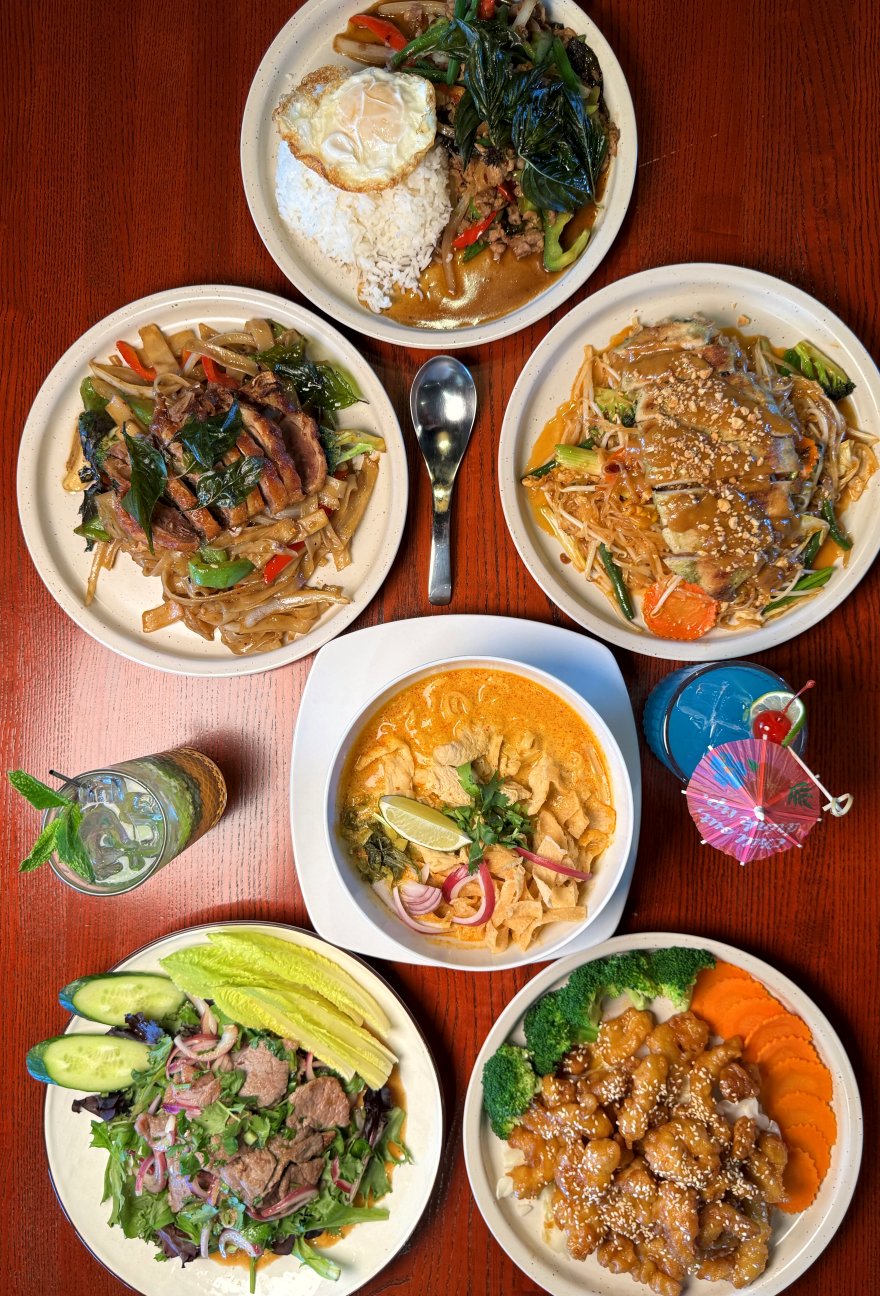
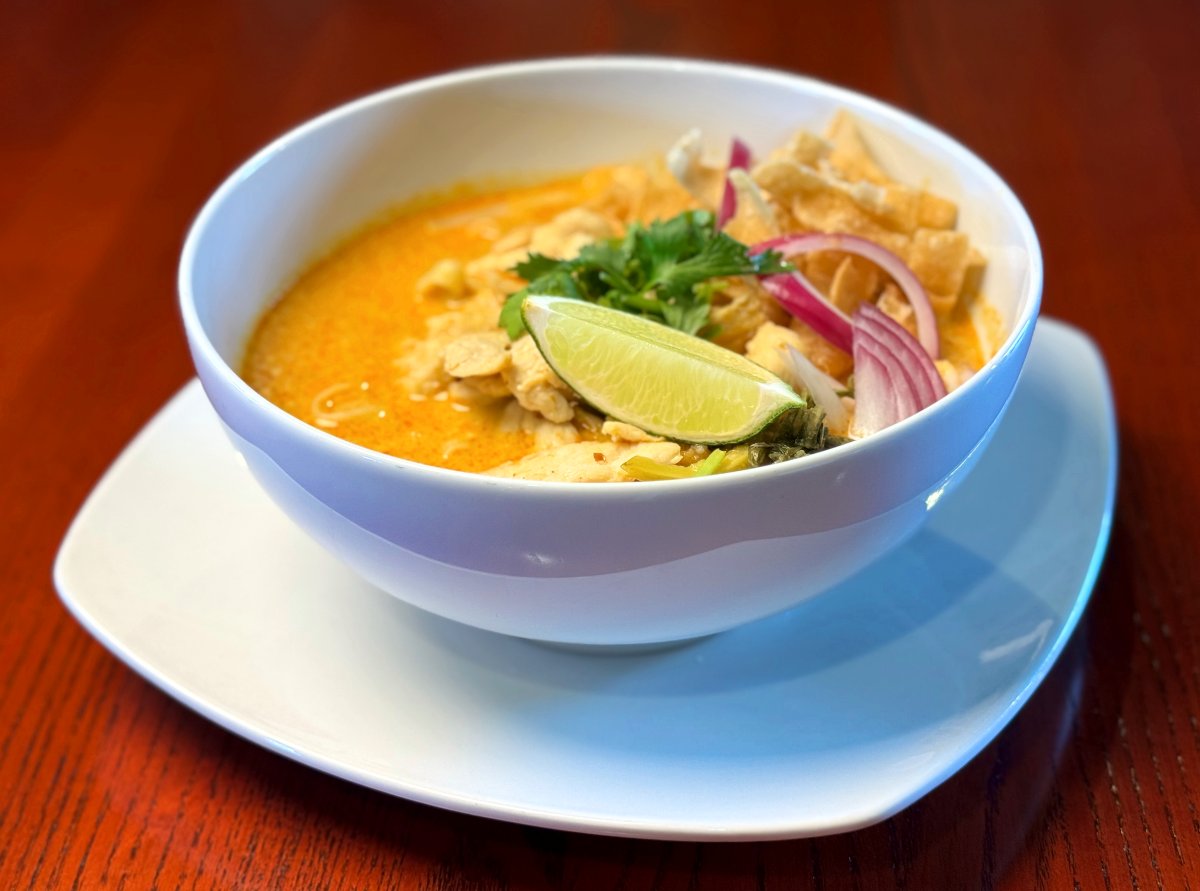
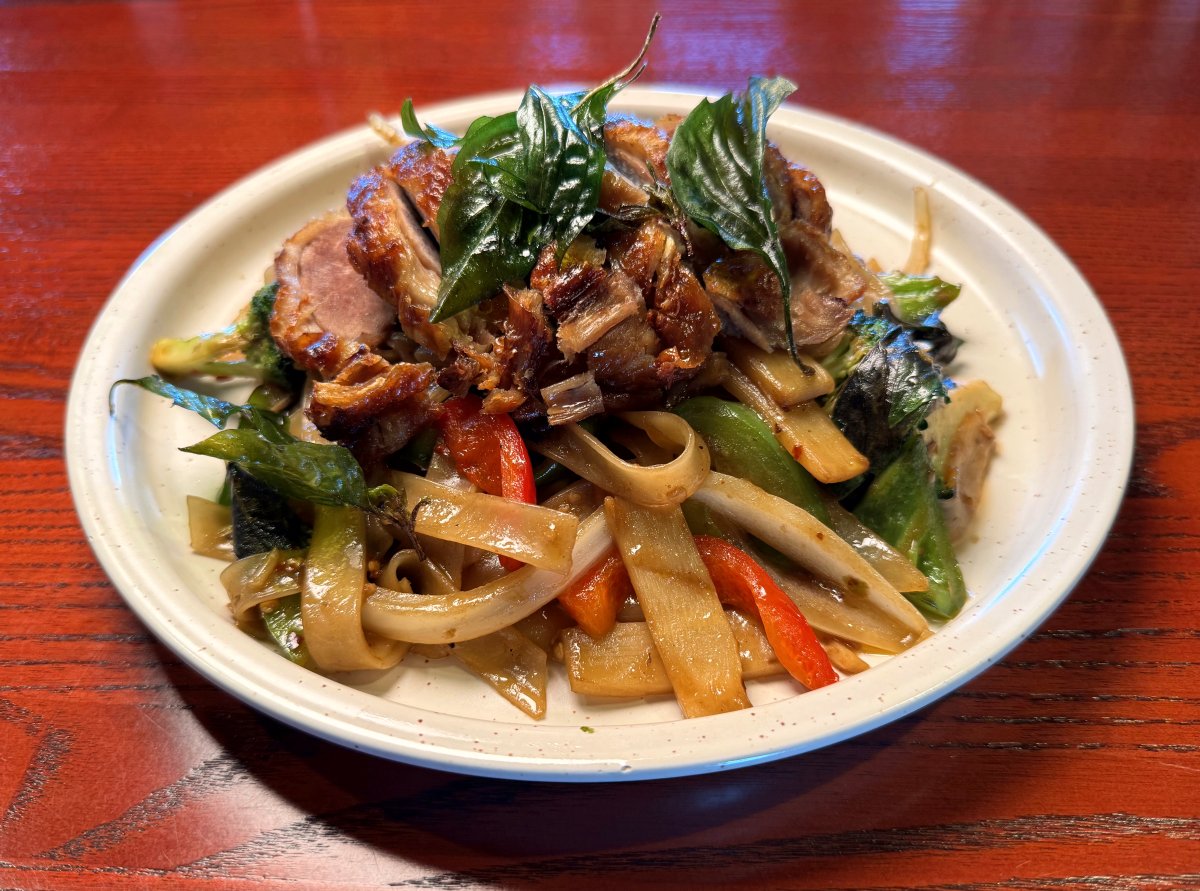
Few Thai dishes have traveled as widely, or been interpreted as loosely, as Drunken Noodles. On English menus, the name suggests a story before the plate even arrives. It sounds rowdy, improvised, maybe a little comic. Then the dish lands at the table, glossy rice noodles tangled with holy basil, chilies, vegetables, and usually a savory protein, and the first bite reveals something more disciplined than the name implies. Good Drunken Noodles are not random. They are built on heat, aroma, and balance, with just enough char and sauce to feel generous without turning heavy.
The dish is usually known in Thai as pad kee mao, a phrase commonly https://keeganwuin105.pinehavenscope.com/posts/the-easiest-way-to-make-drunken-noodles-from-scratch translated as "drunken stir-fry" or "drunkard’s stir-fry." Yet like many beloved dishes, its exact origin is difficult to pin down with documentary certainty. That uncertainty is not a weakness in the story. In food history, especially with street food and home cooking, recipes often become famous long before anyone thinks to archive them. Drunken Noodles belong to that world, the world of lived cooking rather than official records.
To understand where the dish comes from, it helps to set aside the expectation that every famous food has a single inventor, a precise date, and a definitive first version. Thai food rarely developed that way. Dishes emerged through movement, adaptation, market habits, Chinese migration, local herbs, changing fuel sources, and the practical question every cook faces at some point, what can I make quickly that tastes vivid and satisfying?
A dish with a memorable name and a murky beginning
The name is responsible for much of the curiosity. People encountering Drunken Noodles for the first time often assume alcohol must be involved. In most versions, it is not. The name seems to have attached itself through folklore rather than through a fixed historical event, and several explanations continue to circulate.
One common story says the dish is ideal for someone who has been drinking, either because it is easy to throw together late at night or because its heat and salt feel reviving after alcohol. Another version suggests it is food to eat while drinking, the kind of spicy, assertive stir-fry that keeps pace with beer or Thai whisky. A third explanation, repeated in restaurants for years, claims that a drunken cook improvised the dish from whatever was on hand. None of these stories is impossible. None is firmly proven either.
That lack of certainty is typical of dishes born in kitchens rather than courts. Unlike royal Thai recipes, which were sometimes written down and preserved through elite households, many stir-fried noodle dishes grew out of commerce, migration, and repetition. They passed from cook to apprentice, vendor to vendor, family to family. The name may have been sticky enough to survive, while the original anecdote behind it faded.
What can be said with confidence is that Drunken Noodles are part of a broader Thai noodle tradition shaped heavily by Chinese culinary influence. The act of stir-frying noodles in a hot wok, often with soy-based seasoning, belongs to a long regional conversation between Chinese techniques and Thai ingredients. In Thailand, that conversation produced many familiar dishes, from pad see ew to variations of fried rice and noodle soups sold at shophouses and roadside stalls.
The Chinese influence behind Thai noodle culture
Thailand’s noodle culture did not emerge in isolation. Chinese communities, particularly Teochew and Hokkien migrants, played an enormous role in introducing wheat noodles, rice noodle commerce, wok cooking, and soy-based condiments into everyday Thai eating. Over time, those techniques and ingredients were not simply borrowed, they were absorbed and localized.
This is one reason Drunken Noodles can feel both recognizably Thai and structurally connected to Chinese stir-fry traditions. The broad rice noodles often used in the dish, known in Thai markets as sen yai, have close cousins in southern Chinese cooking. So does the habit of cooking over fierce heat so the noodles pick up a little smokiness. But the finished flavor profile of pad kee mao moves unmistakably into Thai territory through its use of fresh chili, garlic, fish sauce, and especially basil.
That basil matters. Many restaurant versions outside Thailand use sweet basil because it is easier to source and gentler on the palate. In Thailand, holy basil, or bai kraphao, is often central to the dish’s identity. Holy basil brings a peppery, clove-like sharpness that sweet basil cannot fully replicate. Once it hits a hot wok, the aroma changes the entire character of the stir-fry. This is one of those details that separate a generic spicy noodle dish from something that tastes like a real descendant of Thai street cooking.
When cooks talk seriously about Drunken Noodles, they usually end up talking about the wok. That is another clue to the dish’s roots. It belongs to a fast-cooking tradition shaped by intense heat, quick hand movements, and ingredients cut to cook in seconds. In busy Thai markets, that style is not decorative theater. It is practical. A vendor can make a plate in minutes, using prepared sauces and fresh ingredients that move quickly through service.
Why pad kee mao feels distinct from other Thai noodle dishes
From a distance, Drunken Noodles can look similar to other stir-fried noodle dishes. In practice, they occupy their own lane. Pad Thai balances tamarind sweetness, acidity, and peanuts. Pad see ew leans darker, slightly sweeter, and more soy-forward, often with less chile heat. Pad kee mao is bolder and less polished in the best sense of the word. It tends to taste hotter, more herbal, and a little more unruly.
Part of that character comes from how the ingredients are cut and combined. Good Drunken Noodles often include irregular strips of meat, chunks of baby corn, slivers of pepper, onion, and handfuls of basil that wilt into the noodles at the last moment. The dish should feel energetic. The noodles may tear a little. The sauce may cling unevenly. The chilies may hit one bite harder than the next. That variation is not a flaw. It is part of what makes the dish feel alive.
There is also a textural expectation. The noodles should remain supple but not mushy. The vegetables should keep some snap. The sauce should coat rather than drown. Many disappointing versions fail because they turn the plate into something soupy or sticky-sweet. Historically and stylistically, pad kee mao is closer to an aggressively seasoned wok dish than to a sauced noodle casserole.
The spiciness matters as well, though there is no universal heat level. Street vendors in Thailand may make it genuinely hot, hot enough to make a drink feel necessary. Versions prepared for international diners are often toned down. That adjustment is understandable, but when the dish loses too much chile, it also loses part of the logic behind its name and personality.
Street food roots and the logic of the late-night plate
Drunken Noodles make sense in the ecosystem of Thai street food. Thailand’s major cities, especially Bangkok, developed robust after-hours eating cultures where food needed to be fast, satisfying, and adaptable. Noodle stalls thrive in that environment because they can hold a pantry of flexible ingredients and respond quickly to customer preference. More spice, less spice, chicken instead of pork, no vegetables, extra basil, all of that can be managed in a hot wok in real time.
That flexibility likely helped pad kee mao spread. A cook did not need a rare ingredient set or ceremonial method. The dish could be made from broad rice noodles, aromatics, basil, a protein if available, and a seasoning base built from sauces common in Thai cooking. It was practical food with a dramatic flavor payoff.
Anyone who has spent time around serious wok cooks knows how much this matters. Dishes that survive in busy stall settings are rarely the fussy ones. They are the dishes that tolerate substitution, reward speed, and still taste complete even when the cook is juggling six orders. Drunken Noodles fit that pattern. They are forgiving in one sense and exacting in another. The ingredient list can bend, but the heat and timing cannot. If the wok is not hot enough, the dish flattens immediately.
This may be one reason Drunken Noodles became so beloved outside Thailand too. Restaurant kitchens appreciate dishes that can be produced quickly and customized without breaking the line. Diners appreciate dishes that feel generous, spicy, and familiar enough to understand on the first bite.
The role of holy basil, chili, and heat
If one ingredient deserves more credit in the history of Drunken Noodles, it is holy basil. Outside Thailand, many diners know basil from Italian cooking or from Thai sweet basil used in curries and stir-fries. Holy basil is something else. Its edges are rougher and more aromatic, with a peppery medicinal note that becomes deeply savory in hot oil.
In Thailand, holy basil is tied to several iconic dishes, and its presence often signals a more intense kind of stir-fry. In pad kee mao, it does more than perfume the noodles. It defines them. Without it, the dish may still be tasty, but it drifts toward a generic spicy noodle bowl.
The same can be said for fresh chili. Dried chili has its place, but fresh Thai bird’s eye chilies give the dish a bright, immediate heat. Garlic adds depth and body. Together they form the aromatic core that hits the wok first, scenting the oil and waking up everything that follows.
There is an old kitchen truth that some dishes are best understood by smell before taste. Drunken Noodles belong in that category. When properly cooked, the aroma of basil, garlic, sauce, and hot noodles tells you almost everything about whether the plate will deliver.
Was there a single inventor?
Probably not, at least not in any historically useful sense. There may well have been a cook somewhere whose version became famous enough to influence a neighborhood or a city block. There may even have been a recognizable early form that later spread. But the evidence available in common culinary history does not support a clean origin story with one creator.
That can frustrate people who prefer tidy narratives. It should not. Many of the most durable dishes in Asia evolved communally. Recipes crystallized over years of imitation, adjustment, and market feedback. One cook adds more basil because customers like the fragrance. Another switches to broader noodles because they hold sauce better under high heat. Another leans harder on fish sauce and chile to make the dish more suitable for the late-night crowd. Over time, a recognizable style emerges.
This kind of origin is less romantic than the myth of the lone inventor, but it is usually more honest. It also better reflects how food actually moves through societies. Most people do not eat history from manuscripts. They eat it from stalls, family tables, and restaurants that inherit habits from earlier cooks.
Regional variation and restaurant reinvention
One reason the history of Drunken Noodles is hard to pin down is that the dish is not frozen. In Thailand, versions differ by vendor, city, and household. Outside Thailand, the variation becomes even wider. Some restaurants include baby corn and carrots. Others strip the dish back to noodles, protein, onion, and basil. Some use dark soy heavily, creating a deeper brown color. Others keep the sauce lighter and let the chilies dominate.
Seafood versions are common in some places, especially where fresh shrimp or squid are available. Chicken and pork are widespread because they are practical and familiar. Tofu versions have become standard in vegetarian-friendly restaurants, though fish sauce is often still part of the traditional seasoning unless specifically omitted.
The broad rice noodle remains the classic choice, but even that can change. In regions where fresh sen yai is hard to find, cooks may use dried flat rice noodles, narrower rice sticks, or even wheat noodles. Purists sometimes object, but substitution has always been part of migration cooking. The important question is not whether every detail matches a market stall in Bangkok. It is whether the dish still preserves the core qualities that make it recognizably pad kee mao: spicy heat, aromatic basil, wok-fired urgency, and a savory sauce that clings rather than pools.
American Thai restaurants, in particular, helped cement Drunken Noodles as a staple of the international Thai menu. In the United States, the dish often sits near Pad Thai as one of the best-known noodle options, especially for diners seeking something spicier and less sweet. That popularity has broadened awareness, but it has also created a strange side effect. Many people now know the English name better than the Thai one, and many first encounter the dish in a form softened for local taste.
This is not unusual. Nearly every globally successful dish passes through a stage of translation. The challenge is that translation can become substitution, and substitution can eventually be mistaken for the original.
What the dish reveals about Thai cooking more broadly
Drunken Noodles tell a larger story about Thai cuisine itself. Thai food is often described through balance, sweet against sour, hot against salty, herbs against richness. That description is not wrong, but it can become too neat. Pad kee mao reminds us that Thai cooking also values velocity, edge, and controlled excess. Not every dish is a delicate equilibrium. Some are meant to jolt you a little.
The dish also illustrates how Thai cuisine has always been adaptive. It is easy to talk about authenticity as if it were a single fixed point in the past. In reality, Thai food history is full of borrowing and reinvention. Chinese stir-frying methods entered local practice. New World chilies, introduced centuries ago, became indispensable. Market economies changed what ingredients were available and affordable. Urbanization encouraged dishes that could be cooked quickly and eaten on the move.
Drunken Noodles sit comfortably inside that history. They are not ancient in the way some ceremonial foods are ancient. They are modern in the practical sense, urban, flexible, responsive to commerce, and shaped by everyday appetites.
Common myths that deserve a closer look
Several misconceptions persist around Drunken Noodles, and they are worth clearing up because they distort the dish’s history.
The first is that alcohol must be an ingredient. Usually it is not. If a restaurant adds wine or another liquor, that is a house interpretation rather than a defining historical trait.
The second is that the dish is simply Pad Thai made spicy. It is not. The flavor structure, noodle handling, and herb profile are different enough that the comparison quickly breaks down.
The third is that any basil noodle stir-fry qualifies. Basil is important, but the dish depends on a particular interaction between basil, fresh chili, garlic, sauce, and high-heat cooking. Without that interplay, the result may be tasty but generic.
The fourth is that there is one authoritative version. Historically, that is unlikely. Pad kee mao has always had room for variation, even if some versions are more convincing than others.
Why the name endured when so many dishes remain obscure
Plenty of noodle stir-fries exist in Thailand. Far fewer became global menu fixtures under a memorable English name. Drunken Noodles succeeded partly because the dish itself is compelling, but the name certainly helped. It is vivid, a little mysterious, easy to remember, and easy for non-Thai speakers to order. Restaurant culture rewards names like that.
Yet the name alone would not have sustained the dish if the eating experience did not back it up. A good plate of Drunken Noodles satisfies several cravings at once. It offers chew from the noodles, heat from the chilies, fragrance from the basil, savoriness from soy and fish sauce, and enough wok char to keep the dish from tasting flat. That combination is persuasive. People order it once because of the name and order it again because of the flavor.
From a historian’s point of view, that matters. Dishes survive not just because they are old, but because they continue to answer a need. Pad kee mao answers the need for something quick, intense, and unmistakably alive on the palate. That was true in Thai street food culture, and it remains true in restaurants thousands of miles away.
The living history of Drunken Noodles
The history and origins of Drunken Noodles are less about a single moment than about a pattern. Thai cooks adapted wok techniques shaped by Chinese migration. They used local herbs and seasonings to create something hotter and more aromatic than many neighboring noodle dishes. Vendors refined it in real working kitchens, where speed and impact mattered. Diners embraced it. Restaurants exported it. The English name spread, sometimes carrying myths with it, but also carrying the dish itself into a broader culinary vocabulary.
That is often how enduring foods are made. Not by proclamation, but by repetition. A dish earns its place because cooks keep cooking it and eaters keep wanting it.
Drunken Noodles, or pad kee mao, remain one of the clearest examples of that process in Thai cuisine. Their origin story may be blurred at the edges, but their identity on the plate is not. They are hot, herbal, savory, and fast. They belong to the wok, to the street, to the late-night table, and now to the global restaurant menu. Their history lives less in official archives than in the smoke that rises when basil hits hot metal and a cook gives the pan one hard toss before sending the noodles out.
Nakhon Luang Thai Kitchen
Address: 805 Village Center Dr, Colorado Springs, CO 80919
Phone number: +17195315175
FAQ About Drunken Noodles
What makes it drunken noodles?
Drunken noodles, or Pad Kee Mao, get their name from the Thai word khi mao (meaning "drunkard"). They contain no alcohol. The name comes from the idea that the dish is a popular late-night meal to cure a hangover or a great food to eat with a cold beer.
What is the difference between pad see ew and drunken noodles?
While both Pad See Ew and Drunken Noodles use the same wide rice noodles, Pad See Ew is a mild, sweet-savory dish made with dark soy sauce and Chinese broccoli, whereas Drunken Noodles (Pad Kee Mao) are fiery, garlicky, and herbaceous with fresh chilies and Thai basil.
What are traditional drunken noodles?
Traditional drunken noodles, known as Pad Kee Mao in Thai, are a fiery, savory street food stir-fry made with wide flat rice noodles, fresh garlic, lots of hot chilies, meat or tofu, and fragrant holy basil. Despite the name, they contain no alcohol; the dish is traditionally eaten late at night or as a hangover cure because the intense spice helps clear the head.