The Top-Rated Jamaican Food in Denver to Try Today
Denver is not the first American city people name when they talk about Jamaican cuisine, and that is exactly why the good spots matter so much. When you find a kitchen that gets the smoke right on the jerk, keeps the rice and peas properly seasoned, and serves oxtail with real patience rather than shortcut tenderness, it stands out immediately. The city’s Caribbean food scene is smaller than what you would find in South Florida, New York, or parts of Toronto, but that does not mean it lacks quality. It just means you have to know what excellence looks like when it lands on your plate.
If you are searching for jamaican food denver, the smartest move is not to chase hype alone. Look for places that understand balance. Jamaican cooking is bold, but it is rarely one-note. Heat matters, yes, but so do sweetness, allspice, thyme, scallion, Scotch bonnet, browning sauce, slow braising, and the kind of grill char that perfumes the whole room before your food even reaches the table. The top-rated Jamaican food in Denver tends to come from kitchens that respect those fundamentals, even when they adapt to local supply, local diners, and the realities of running a restaurant in Colorado.
What separates average Jamaican food from the kind you remember
A lot of diners judge Jamaican food by spice alone. That is a mistake. A plate can be hot and still feel flat. The best Jamaican cooking has layers that arrive in sequence. First comes aroma, then smoke, then savory depth, then heat, then a slightly sweet finish from caramelized onions, cooked-down sauce, or a touch of allspice and clove. You should taste intention in every part of the meal.
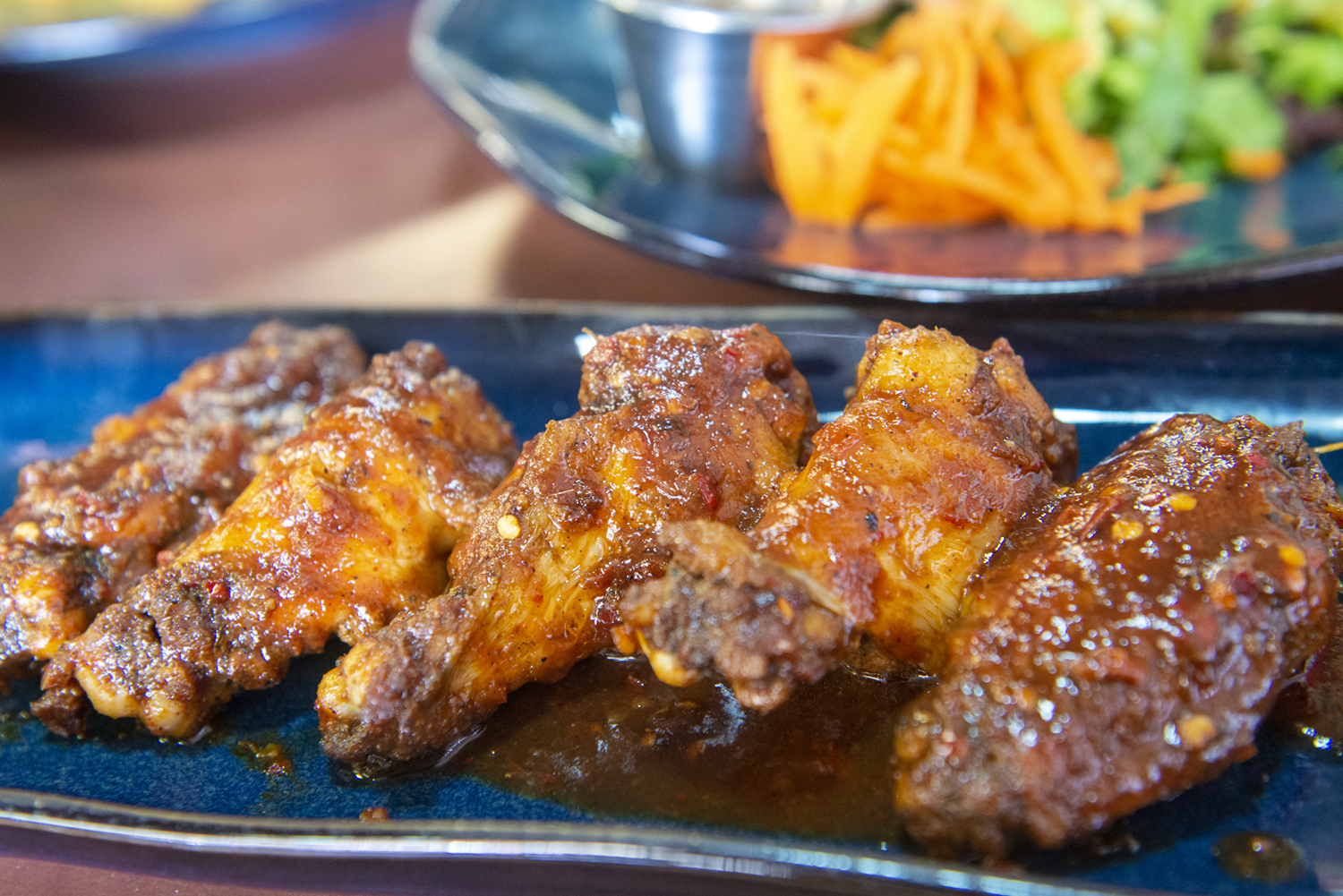
Take jerk chicken. In weak versions, the chicken tastes like grilled poultry with a spicy rub thrown on at the end. In a serious kitchen, the flavor reaches all the way into the meat. The exterior should carry char without tipping into bitterness. The inside should stay juicy. A little pink smoke ring is a bonus, though not a requirement. What matters most is whether the marinade had time to do its work.
Oxtail reveals even more about a kitchen. Good oxtail is expensive to prepare and impossible to rush. The sauce should be glossy and rich, but not greasy. The meat should yield easily while still holding form on the bone. If the gravy tastes thin or generic, the dish was either hurried or diluted to stretch portions. When it is done right, one serving feels like the culinary equivalent of a low, steady bassline, deep, warming, and confident.
Then there are the sides, which many diners underestimate. Rice and peas should never be an afterthought. You want grains that are separate but tender, with coconut and seasoning present but not overwhelming. Cabbage should have life to it, not the exhausted texture of steam-table vegetables. Fried plantains should be caramelized enough to bring sweetness but not so dark that they turn mushy.
The dishes most worth ordering first
If you are trying Jamaican food in Denver for the first time, start with the classics that tell you the most about the kitchen. These are the plates that expose shortcuts and reward care.
- Jerk chicken
- Oxtail
- Curry goat
- Brown stew chicken
- Beef patties
That short list covers a surprising amount of ground. Jerk chicken shows how the restaurant handles fire, marinade, and texture. Oxtail tests braising and seasoning depth. Curry goat tells you whether the cook understands earthy spice without turning everything muddy. Brown stew chicken is a measure of restraint, because it needs richness without becoming heavy. Beef patties, especially when baked fresh, can reveal whether the place puts effort into smaller items or saves all its ambition for large entrées.
If you see escovitch fish, ackee and saltfish, callaloo, or festival on the menu, those are worth attention too. They are not always available everywhere, and sometimes they appear only on certain days or as specials. That is common with regional cuisines. Limited access to ingredients and labor-intensive preparation can narrow menus, especially in smaller markets.
Why Denver’s Jamaican scene feels different from larger coastal cities
Climate and geography shape food more than many people realize. Denver is landlocked, elevated, and not exactly overrun with tropical produce. A restaurant here has to work harder to get certain ingredients at the right quality and price. Fresh Scotch bonnet peppers can be inconsistent. Certain fish preparations may be less common. Even produce behaves differently at altitude, particularly in baked goods and fried items held in dry air.
That does not automatically hurt quality. Sometimes it sharpens it. Smaller Jamaican kitchens in Denver often survive by building a loyal following around a handful of dishes they execute well, rather than trying to cover every possibility. That can be a good sign. A focused menu usually means less waste, more consistency, and more repeat customers ordering the same thing because it is genuinely good.
Another difference is audience. In cities with larger Caribbean populations, restaurants can rely more heavily on customers who already know the cuisine. In Denver, many guests may be trying these dishes for the first time. That can influence heat levels, side dish choices, and service style. Some kitchens soften spice to meet broad demand, while others stay true to their own standards and let customers learn. Neither approach is automatically wrong. The best version depends on the restaurant’s identity and whether the food still tastes complete.
How to tell whether a Jamaican restaurant is really worth your time
Online ratings can help, but they are not enough on their own. A place can score well because portions are large, prices are reasonable, or delivery is fast. Those things matter, but they do not guarantee excellence. For Jamaican food, context helps more than stars.
Read reviews closely. Do people talk about the marinade, the tenderness of the meat, the freshness of the patties, the balance of the sauces? Or do they only mention that the food was “spicy” and “good”? Specific praise usually means the meal made a real impression. Vague praise often means the experience was pleasant but not memorable.
Photos can also tell a story. Jerk chicken should not look pale. Curry goat should not resemble thin soup. Oxtail gravy should coat, not puddle like broth. Plantains should show caramelization. If the visual cues are off across many customer photos, trust that signal.
There is also the smell test, which matters more than people admit. Walk into a serious Jamaican kitchen and you should notice depth in the air, smoke, onion, thyme, spice, long-cooked meat. If all you smell is fryer oil, the odds of a standout meal drop quickly.
One practical truth from years of eating across regional food scenes: order the dish the house is known for before experimenting. Every restaurant has a lane. Some do jerk better than braises. Some excel at oxtail but underwhelm on patties. Some have great lunch combos and weaker dinner service when the volume picks up. A first visit should be about reading the room and tasting the anchor dishes.
The experience of eating Jamaican food in Denver today
One thing Denver does well is casual dining that does not feel careless. Many of the strongest Caribbean spots in the metro area lean modest rather than flashy. You might be eating from a takeout container, at a small counter, or in a strip-center dining room with music running softly in the background. None of that is a drawback. In fact, some of the best Jamaican meals in American cities come from places that invest more in the kitchen than in decor.
That matters because Jamaican food is labor-heavy. Marinating takes time. Braising takes time. Patties take prep. A restaurant that spends less on atmosphere but more on ingredients and process often gives you the better plate. Denver diners, to their credit, tend to appreciate substance. They are generally willing to follow good food into low-key spaces.
There is also a growing appetite in the city for regional cuisines with character. Diners who once defaulted to familiar takeout are now more willing to seek specific flavor traditions. That curiosity helps smaller Jamaican businesses, especially those balancing dine-in traffic with delivery, catering, and lunch service.
Delivery, though, comes with trade-offs. Jerk chicken travels fairly well. Oxtail does too, maybe even better, because the sauce settles into the rice. Fried items are more vulnerable. Beef patties can soften in transit, and plantains can steam themselves limp in sealed containers. If you are trying a place for the first time and really want to judge it fairly, eat there or pick it up and serve it immediately.
What to order based on your appetite and spice tolerance
A lot of people want guidance before they commit, especially if they are ordering for a group. The right choice depends less on bravery and more on what kind of eater you are. If you like barbecue and grilled meats, jerk chicken is the natural gateway. If you prefer comfort food and rich sauces, go with oxtail or brown stew chicken. If you enjoy curry in many forms, curry goat is usually the move, provided the kitchen treats it with enough time and respect.
For lower spice tolerance, ask a simple question rather than making assumptions: “Is this hot, or is it deeply seasoned?” Those are different things. Many Jamaican dishes are not punishingly spicy by default. They are aromatic and bold, with chile heat used as one part of a larger structure. If the restaurant can serve hot sauce or chile on the side, even better. That lets you calibrate rather than avoid.
Families and mixed groups often do best by ordering a few entrées and sharing sides. Rice and peas, cabbage, plantains, and patties create a fuller picture of the cuisine than one plate eaten in isolation. You also learn faster which kitchen strengths fit your taste.
Signs of a kitchen that takes pride in the food
A skilled Jamaican kitchen communicates its standards in small ways. Portions are one clue, though not in the way most people think. Massive servings can be nice, but they are not proof of quality. Better signals include the consistency of the sauce, the doneness of the meat, the care with packaging, and whether every component tastes seasoned rather than just the main protein.
Watch how the rice is handled. Dry, clumpy rice suggests neglect. Good rice and peas carries its own flavor and structure. Notice the cabbage. When a restaurant gives even its cabbage proper seasoning and texture, it usually cares about the whole plate. Plantains, too, reveal standards. Underripe plantains are starchy and dull. Overdone plantains collapse into syrupy softness. The sweet spot requires timing.
Service can offer hints as well. At the best spots, if you ask what sells most, the answer comes quickly and with confidence. If the person taking your order says, “The oxtail takes a while, but it’s worth it,” that often means the kitchen understands patience. If everything is pitched with equal enthusiasm, that can simply be politeness, or it can mean the house lacks a real identity.
Practical advice for finding the best jamaican food denver has to offer
Denver is a city where neighborhoods and metro-adjacent areas matter. A great meal may not sit in the center of your usual routine. If you want the best version of a cuisine that is still relatively niche locally, widen your radius. Look beyond the most obvious entertainment districts. Check smaller commercial corridors, family-run spots, and places that do strong takeout business. Those are often where regional food thrives.
A few habits make the search easier:
- Look for menus with a focused core, not twenty unrelated cuisines
- Check whether the restaurant sells out of certain items, which can signal demand and freshness
- Favor places with repeat mentions of specific dishes in reviews
- Ask about daily specials, especially for soups, fish, or breakfast items
- Visit at a normal meal rush if you want the fullest picture of how the kitchen operates
Those habits are not foolproof, but they are practical. They work especially well in food scenes where the best places may not have the biggest marketing budgets.
The role of sides, sauces, and drinks
Jamaican meals become much more compelling when you stop treating sides as filler. Rice and peas anchors the plate and catches every drop of gravy. Cabbage gives contrast and keeps rich meats from feeling too heavy. Plantains offer sweetness that softens heat and smoke. Festival, when available, adds a lightly sweet fried bread component that pairs beautifully with jerk and stew. Coco bread can turn a patty into a full snack or quick lunch.
Drinks matter too. A cold ginger beer can sharpen everything on the table. Sorrel, if a restaurant serves it, brings spice and tartness that works especially well with richer meats. Even a basic tropical juice can balance a heavily spiced plate better than soda.
Sauce etiquette is worth mentioning. Some diners drown the whole meal before tasting it. Better to take a few bites first. A kitchen that knows what it is doing has already built flavor into the dish. Extra heat should amplify, not rescue.
Why top-rated does not always mean expensive
One pleasant reality of Jamaican food is that value often remains part of the experience. Oxtail prices have risen sharply in recent years, so that dish is no longer the bargain it once was. Still, many Jamaican restaurants offer generous portions, especially with chicken and curry dishes. Lunch specials can be particularly strong if you catch them at the right time.
Price https://damienucvo472.westhavenscope.com/posts/the-best-jamaican-food-in-denver-for-weekend-dining alone should not decide where you eat, but value is part of quality. If a place serves deeply seasoned food, well-cooked sides, and enough portion to make a second meal, that counts. The reverse is also true. A stylish room and polished branding cannot justify bland jerk or watery gravy.
Denver diners are generally price-aware, and with good reason. Restaurant costs are high across the city. The best Jamaican spots tend to earn loyalty by keeping food satisfying rather than flashy. That can mean simple packaging, compact dining rooms, and menus built around what the kitchen can execute every day.
A few final instincts that rarely fail
When you find a Jamaican restaurant that nails one dish, go back and test a second and third before declaring it your favorite. Consistency is the real mark of a top-rated place. Great regional food is not just about one excellent lunch. It is about whether the kitchen can deliver across visits, during busy hours, and in different categories of the menu.
Trust your palate over trends. Some of the most talked-about spots in any city are merely convenient or photogenic. The places people quietly return to after work, on rainy afternoons, or before a long weekend are often stronger. Jamaican food has always rewarded repetition. The more you eat it, the more you notice. You start to distinguish fresh thyme from dried shortcuts, slow braising from pressure-cooked compromise, real smoke from bottled flavor, seasoned rice from plain rice hiding under sauce.
That is the pleasure of searching for the best jamaican food denver can offer. You are not just looking for a hot plate of chicken or a rich bowl of gravy. You are looking for a kitchen with point of view, discipline, and warmth. When you find it, the meal feels bigger than the room it came from. It lingers on your hands, in the air, and in your memory long after the plate is empty.
Reggae Pot Jamaican Grill
Address: 2243 S Monaco St Pkwy #104, Denver, CO 80222
Phone number: +17204102956
FAQ About Jamaican Food Denver
What is typical Jamaican food?
Typical Jamaican food features bold, vibrant flavors created by blending African, Taino, European, and Asian influences.
What is a famous Jamaican dish?
Ackee and saltfish is Jamaica's national dish, made by sautéing the soft local ackee fruit with salted cod, onions, tomatoes, and spicy Scotch bonnet peppers.
What food is most popular in Jamaica?
The most popular and famous food in Jamaica is Jerk Chicken, celebrated worldwide for its smoky, spicy flavor.